
 EN
 DE
 FR
 IT
The sauce chooses the wine, not the meat
Pot roast, Sauerbraten, crackling pork, Tafelspitz: for every roast, the wine that carries both sauce and meat.
Roast is not one dish but a whole family: Rhineland Sauerbraten with its sweet-and-sour sauce calls for a different wine from a pot roast in dark jus, crackling pork with caraway for another again, and boiled Tafelspitz with apple horseradish for yet another. With a roast, the sauce decides what goes in the glass. This page explains the rule behind it and, for each of the four great ways of roasting, shows the bottles that carry it.
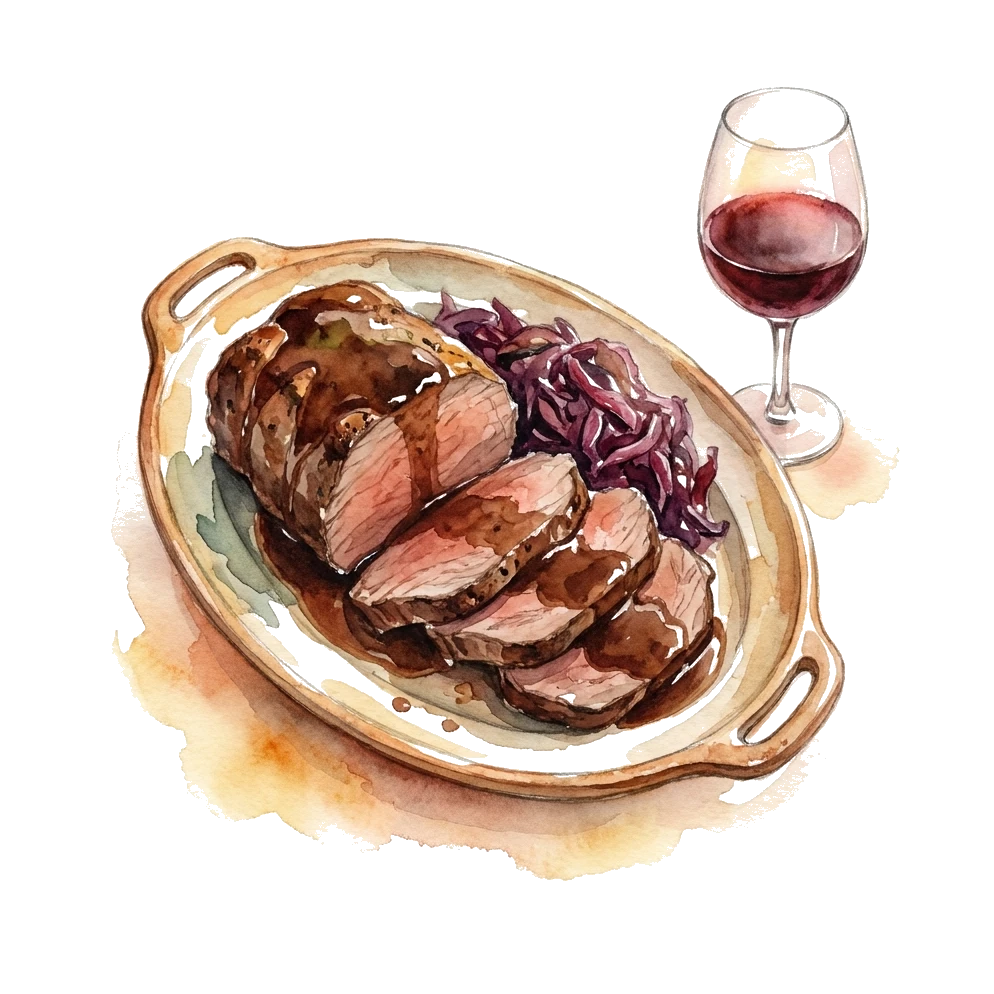
In short — which wine with a roast? The cooking method decides: with roast beef and pot roast in dark gravy, powerful reds with ripe tannins, from mature Pinot Noir to Nebbiolo; with Sauerbraten and beef roulades, fruity reds with lively acidity and little oak, Spätburgunder above all; with roast pork and crackling, whites with substance such as Riesling, or a cool, light red; with Tafelspitz and apple horseradish, spicy whites, Grüner Veltliner and Gemischter Satz. Twelve recommendations follow below, each explained sauce by sauce.
The roast is the feast-day centrepiece of German cooking, and the wine question that comes with it is older than any sommelier’s handbook. Red, because it is meat? Yet Rhineland Sauerbraten, with raisins and gingerbread in its sauce, punishes any heavy tannin, and crackling pork with caraway and beer gravy has always been drunk with white wine in Franconia and Austria. The honest answer is that it depends on the sauce, and that can be put into a single rule. This page walks through the four great ways of roasting, from pot roast and Sauerbraten to Tafelspitz.
If poultry or game is on your festive table instead, there are dedicated pages: roast goose is covered under Wine with goose, roast venison under Wine with game. Here the subject is beef and pork, dark jus, sweet-and-sour marinade, crackling and horseradish.
Why the sauce chooses the wine with a roast
One mechanism answers almost every question about roasts and wine. It follows from a single fact: a roast never comes to the table without sauce.
The sauce is the loudest element of the dish. The meat itself, beef or pork, has become mild and tender through long cooking; the flavours that challenge the wine sit in the jus, the marinade, the horseradish. A dark braising jus with roasted notes and reduced stock is sweet, deep and powerful, and it calls for a red with ripe tannins and density of its own that can stand up to the sauce. Acidity flips the colour. As soon as vinegar, wine or gherkin goes into the sauce, as with Sauerbraten and beef roulades, any jammy or oak-heavy wine falls apart: only reds with their own lively acidity and little barrique will carry it, and Spätburgunder is the German benchmark. Fat and crackling open the white-wine window. With roast pork, caraway and crisp crackling, a substantial Riesling or a spicy Pinot Blanc blend cuts cleanly through the fat, while a light, cool red remains the second answer. And with boiled Tafelspitz, finally, only the horseradish counts: apple horseradish and chive sauce love spicy, peppery whites such as Grüner Veltliner. Know the sauce and you know the wine.
Dark jus: roast beef & pot roast
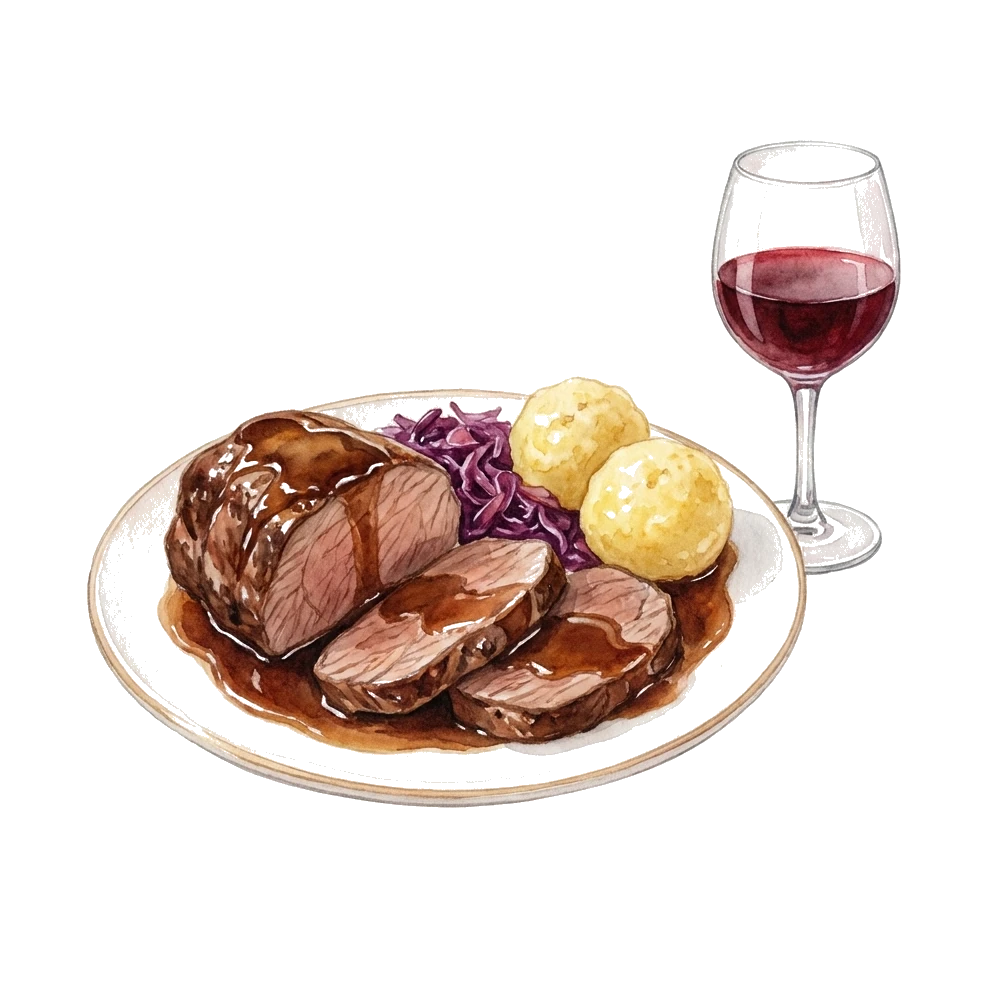
The Sunday roast of beef is the clearest case on this page. Hours in the oven or the casserole turn connective tissue into gelatine, the stock reduces to a dark, almost sweet sauce, and red cabbage and dumplings bring their own weight to the plate. A slender wine disappears beside it, an overly oaky one quarrels with the roasting.
What is needed are powerful reds with ripe, supple tannins and dark fruit: Grolleau from the Loire, Pinot Noir with some bottle age and, for the grand occasion, Nebbiolo, in whose homeland brasato is braised in wine anyway. The darker and more reduced the jus, the more substance the glass may have.

Grolleau IGP 2020
Grolleau is the almost forgotten red variety of the Loire, which Clau de Nell vinifies on its own: rustic yet elegant, with dark berry fruit and a fine, cool line. With roast beef and pot roast in dark jus it brings exactly the mix of power and freshness that red cabbage and reduced sauce demand, and it is expressly recommended with pot roast and potato gratin.

Pinot Noir "P" 2019
Pinot Noir from the Wagram in a mature, charming style: dark cherries, preserved damsons, cinnamon and clove over a firm, taut minerality and fine oak spice. With roast beef in dark gravy and dumplings this spice carries the braising jus without drowning it, and the matured tannin structure meshes neatly with the sauce.

Barolo DOCG Monvigliero 2021
Barolo from Monvigliero, one of the finest crus of the Langhe: pale cherry red, translucent, with the classic Nebbiolo tension of floral perfume, delicate fruit and long, noble tannins. With braised beef in dark sauce this is the benchmark par excellence, for in its homeland brasato al Barolo is braised in the wine itself, and that very dish is named in the pairing recommendation for this wine.
Sweet-sour & hearty: Sauerbraten & roulades
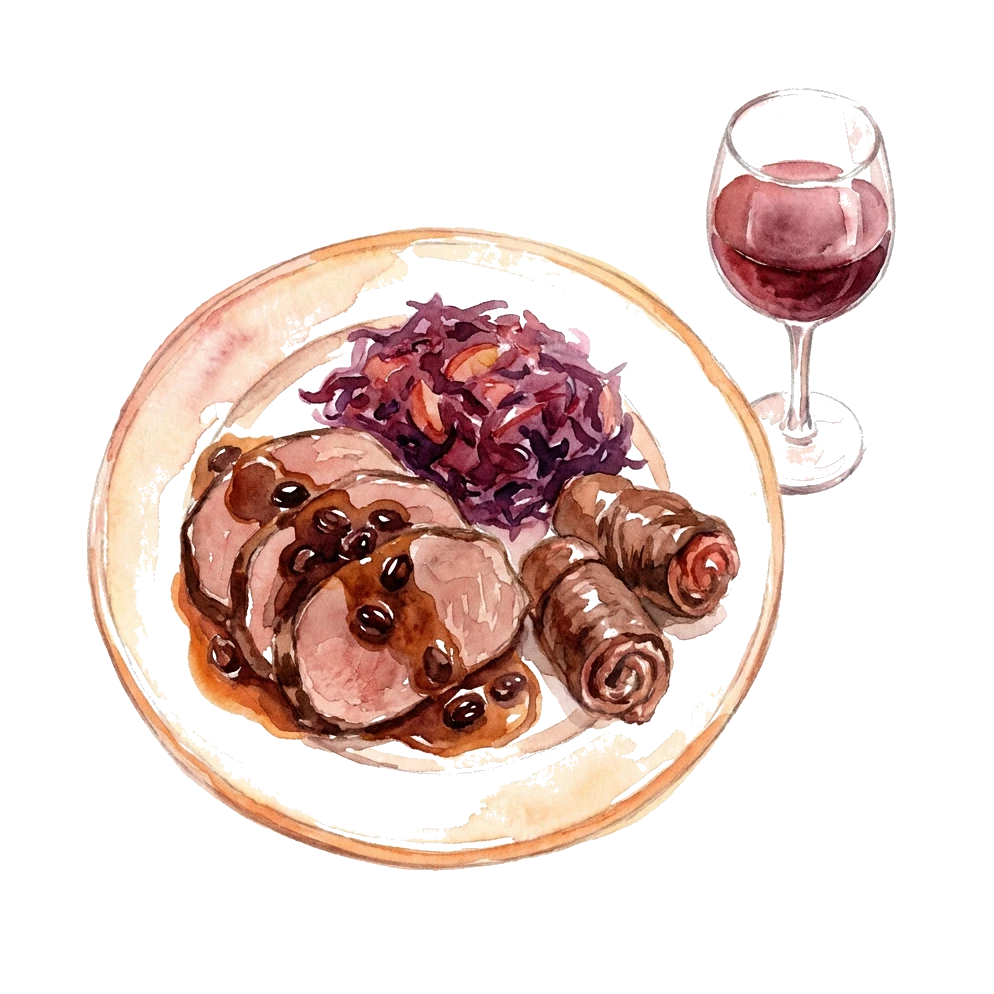
Sauerbraten and beef roulades are the acidity cases of the roasting kitchen. Vinegar and wine in the marinade, raisins and gingerbread in the sauce, bacon, gherkin and mustard rolled inside: these dishes are sweet, sour and hearty all at once. A wine heavy with barrique turns bitter here, a stern, tannic one tastes metallic.
What works are fruity reds with their own lively acidity and little oak. Spätburgunder is the German answer, from the Palatinate to the Kaiserstuhl, alongside juicy blends of Syrah and Tempranillo. The acidity in the wine has to keep pace with the acidity of the sauce, and the fruit covers the raisins.

Habla del Silencio 2022
A blend of Syrah, Tempranillo and Cabernet Sauvignon from Extremadura, deep purple with violet glints, dark berry fruit and soft, approachable tannins without any weight of oak. With Sauerbraten, red cabbage and dumplings the fruit covers the raisins in the sauce and the lively acidity keeps pace with the marinade; Sauerbraten with red cabbage is named word for word in the pairing recommendation for this wine.

Königsbacher Ölberg Spätburgunder VDP Erste Lage 2021
Spätburgunder from the Königsbacher Ölberg, a VDP premier cru site in the Palatinate: fine red fruit, cool spice and the silky structure that marks the region’s top vineyards. With Sauerbraten and potato dumplings this is the classic answer, because lively acidity and restrained oak are exactly what the sweet-and-sour sauce can take.

Schlossberg Achkarren Spätburgunder GG 2021
Spätburgunder from the VDP grand cru Schlossberg in Achkarren, a steep, sheltered slope on the Kaiserstuhl that holds the heat: mature, dense, with dark cherry fruit and a fine, polished tannin structure. With Sauerbraten and beef roulades it carries the sauce with maturity rather than weight, and it is expressly recommended with Sauerbraten, red cabbage and dumplings.
Crackling & caraway: roast pork & crackling pork
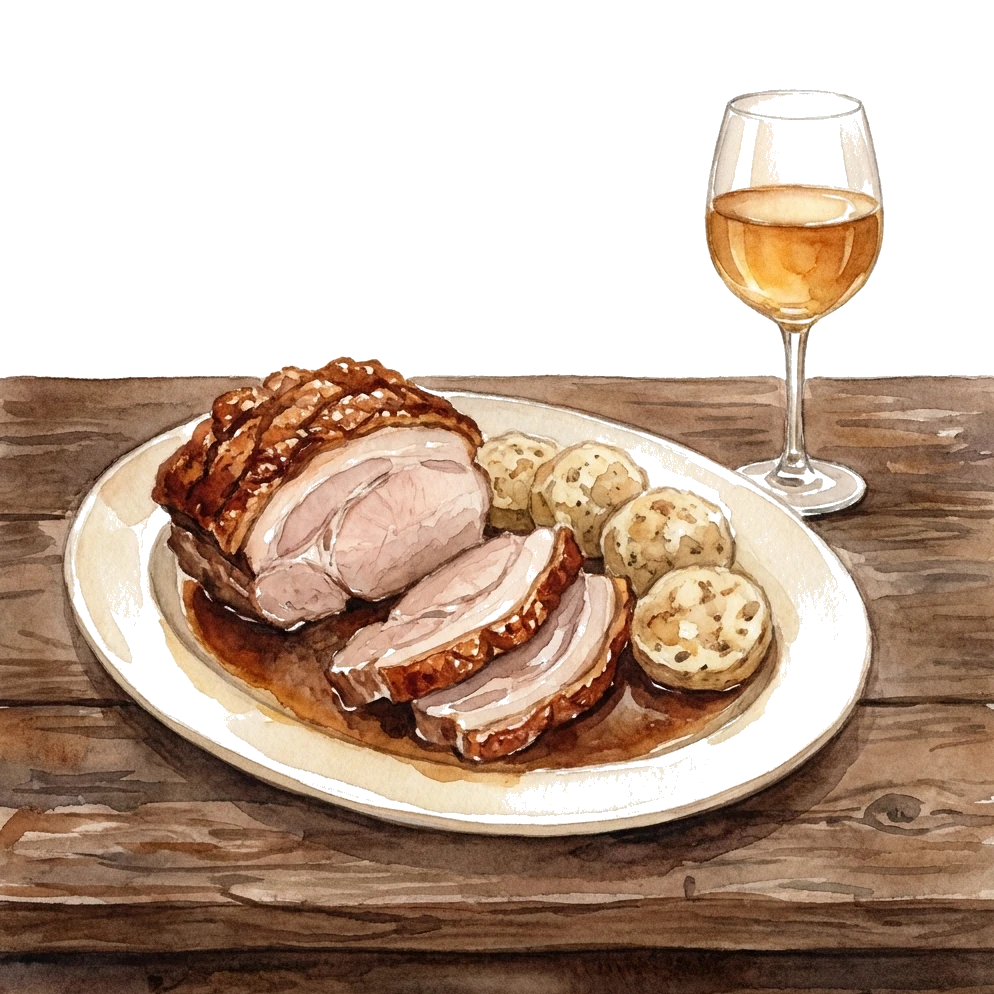
Roast pork divides the wine world, and we take the white-wine question seriously. Crisp crackling, caraway, beer gravy and dumplings are a feast of fat and roasted flavours, and this is precisely where a substantial, mature white cuts better than any heavy red: the acidity cleans up the fat, the spice picks up the caraway.
In Franconia, Bavaria and Austria this is everyday practice, with Riesling from great sites and spicy blends as the first candidates. If you want red, keep it slender and cool: a fine, lightly chilled Spätburgunder does not interfere with the crackling and gets on well with the plum or apple sauce often served alongside in southern Germany.

parcellaire blanc #1 2022
A blend of Chardonnay and Welschriesling from the Weinviertel, unfiltered and intense: pear, quince, almonds, pale blossom and herbs, with a juicy fullness that immediately calls for food. With roast pork, crackling and dumplings it brings exactly the substance that fat and roasting need, and its herbal spice plays with the caraway and the roasting juices.
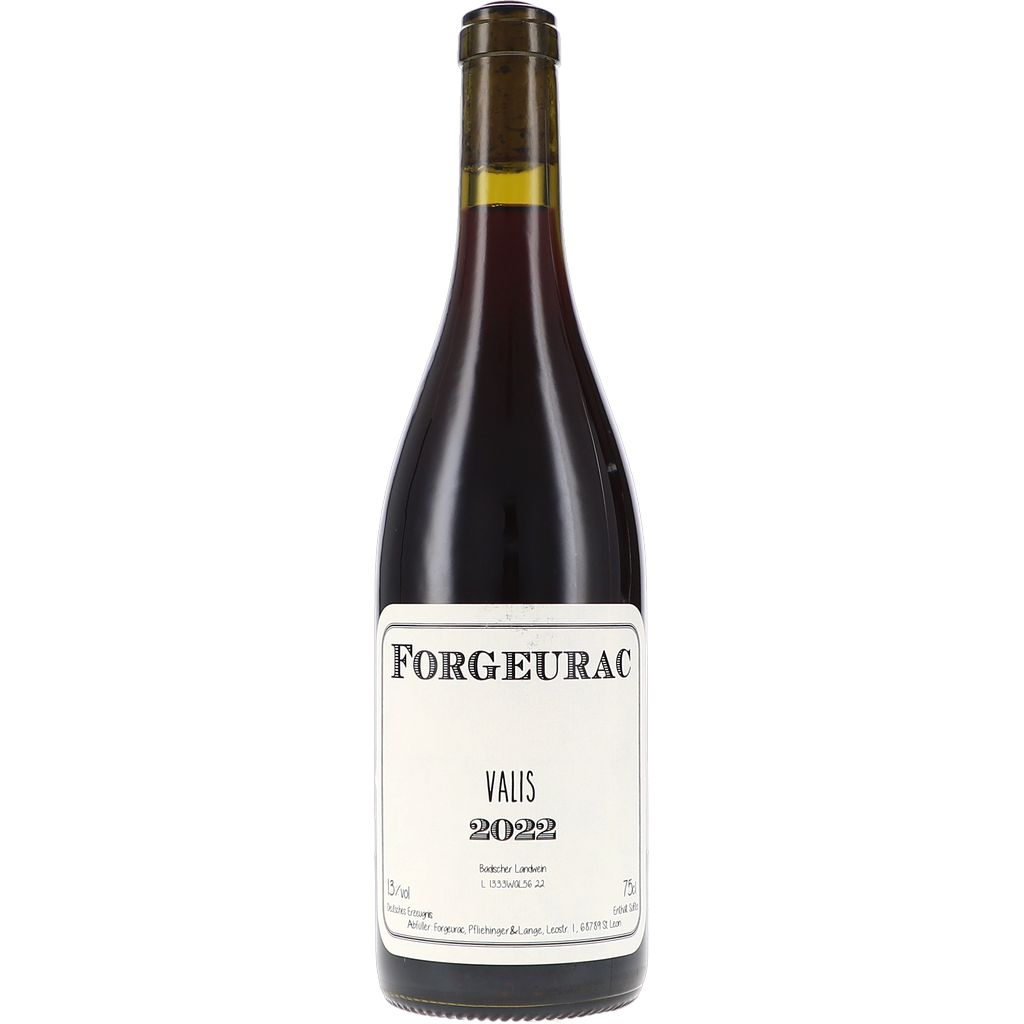
Walis Badischer Landwein 2022
A Spätburgunder bottled as Baden country wine, with fine notes of graphite, smoke, spice and dried fruit, sweetish and subtle on the nose, mineral and complex on the palate, best lightly chilled and served in Burgundy glasses. With crackling roast of Swabian-Hall pork this is the red answer, for it is expressly recommended with crackling pork, plum sauce and apple.

Riesling Hipping GG 2022
Riesling Grosses Gewächs from the Niersteiner Hipping, whose parcels converge like a parabolic mirror at the highest point of the Roter Hang: profound, saline, with mature fruit and the power of a historic site. With crackling pork, mashed potatoes and glazed onions the acidity cuts the fat while the site’s richness melts into crackling and sauce. Crackling pork is named word for word in the pairing recommendation for this wine.
Tender & simmered: Tafelspitz & boiled beef
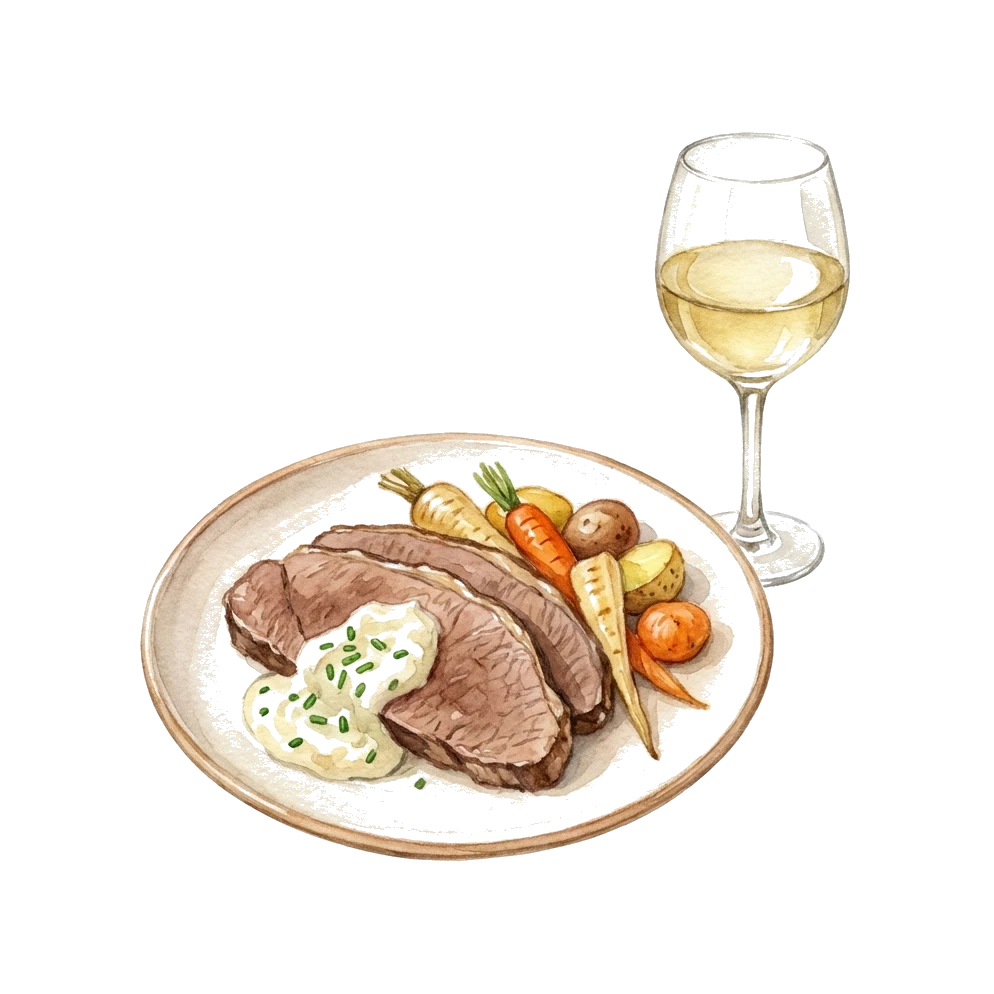
Tafelspitz is the quietest roast on this page. Gently simmered in clear broth with root vegetables, it arrives on the plate tender and delicate, and the only loud flavours sit beside it: apple horseradish with its heat, chive sauce with its greenness, perhaps sautéed potatoes. A powerful red crushes this dish effortlessly.
The Viennese and the Styrians have long known what belongs with it: spicy whites with drive and a touch of pepper. Grüner Veltliner is the benchmark, Wiener Gemischter Satz the home-grown answer, and a fresh Welschriesling shows that the slender side works too, as long as the wine brings enough spice for the horseradish.
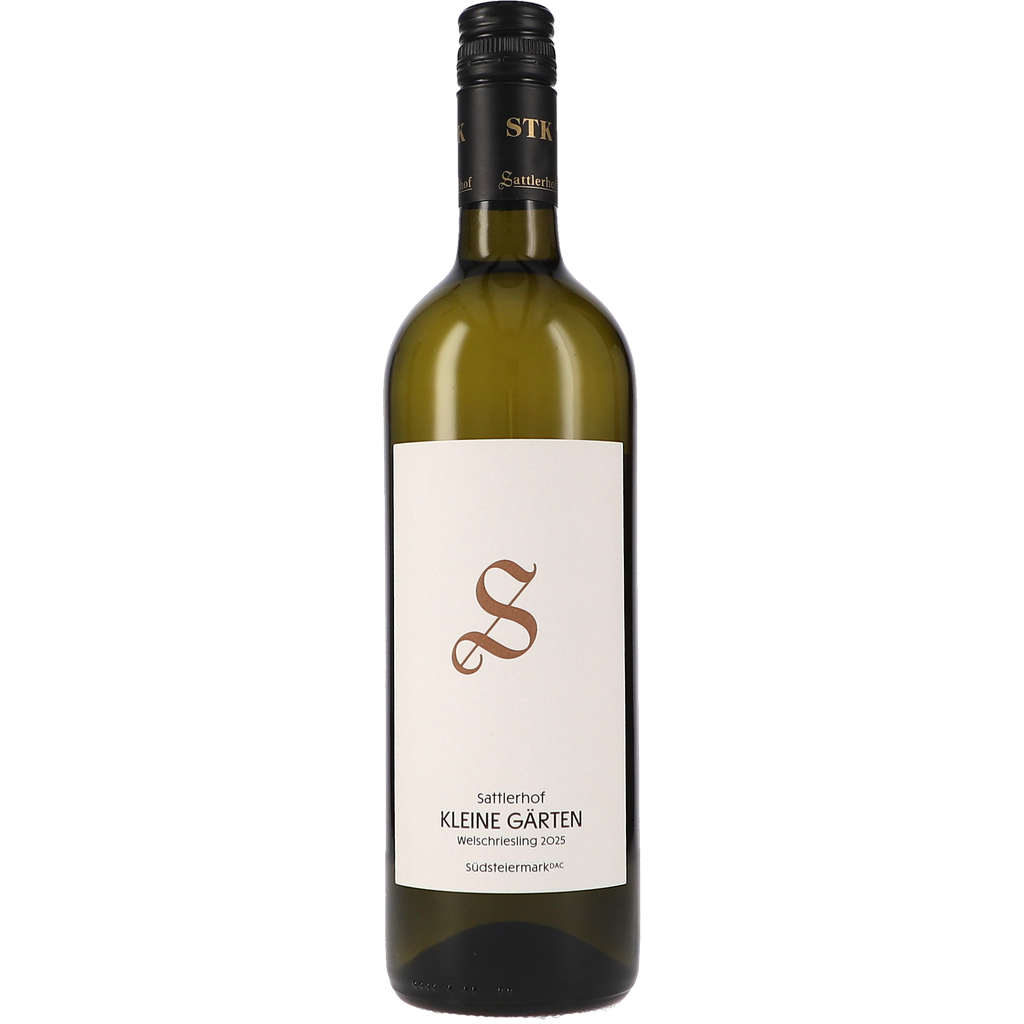
Kleine Gärten Welschriesling DAC 2025
Welschriesling from South Styria, pale straw with green glints, fresh, crisp and easy-going in its juiciness, a wine whose clear acidity lifts everything simmered and delicate. With Tafelspitz and apple horseradish this freshness cuts through the mild, brothy meat, and it is also recommended with Tafelspitz in aspic and trout with horseradish.

Wiener Gemischter Satz Ried Weisleiten DAC 2024
Gemischter Satz from the Viennese Ried Weisleiten, green-gold in the glass, with the many-voiced spice that only the old mixed planting of a single vineyard can deliver: yellow fruit, herbs, fine spice. With Tafelspitz, chive sauce and apple horseradish this is the home-grown answer par excellence, as Tafelspitz is named word for word in the pairing recommendation for this wine.

Ried Käferberg Grüner Veltliner 1.ÖTW DAC 2023
Grüner Veltliner from the Käferberg, a premier cru site in the Kamptal: intense golden yellow, dense and spicy, with the peppery kick and yellow fruit that mark great Veltliner. With Tafelspitz, apple horseradish and root vegetables its pepper meets the horseradish head-on, and the substance of the site keeps pace with broth and sautéed potatoes. That very dish is named in the pairing recommendation for this wine.
The roast compass
For the roasts that do not need a section of their own, and the questions around them, here are the short answers, each following this page’s sauce rule.
Wine with roast lamb
Roast lamb usually comes to the table with garlic, rosemary and Mediterranean herbs, and the meat is finer and more distinctive than beef. Spicy, medium-bodied reds with herbal fruit suit it, from the Rhône to the Mediterranean. All the bottles and the reasoning are on our page Wine with lamb.
Wine with roast veal
Roast veal is paler and quieter than roast beef; its light jus calls for full-bodied whites with some maturity or, with a darker sauce, a fine Pinot Noir. Roast veal shares the red-or-white question with roast pork, but depends even more on the sauce. The full answer: Wine with veal.
Wine with roast duck
Roast duck is fattier and darker than any roast on this page; the crisp skin and the often fruity sauce, with orange for instance, call for reds with fruit and drive, led by Spätburgunder and fruity blends. All the recommendations are under Wine with duck.
Wine with roast goose
Roast goose with red cabbage and dumplings is the festive classic par excellence: the bird’s rich fat needs acidity, the dark skin fruit and spice. Mature reds with drive, often Pinot Noir, are the first answer. Its own page: Wine with goose.
Wine with roast venison and game
Roast game, whether red deer or roe deer, comes with a dark sauce, often enriched with lingonberries, and a distinctly gamey note of its own. It can take the most powerful and spicy reds of the roast family, from mature Spätburgunder to Syrah. All the recommendations: Wine with game.
Which red wine for the gravy?
For the gravy a simple rule applies: the cooking wine should be dry, have little oak and match the style of the wine in the glass. A jammy or heavily oaked wine turns bitter as it reduces and spoils the jus. A juicy, medium-bodied red is the safest choice, and if you cook with the same wine you pour, you can never go wrong.
Red cabbage and dumplings as wine partners
The side dishes of a roast are underrated drivers of the wine choice. Red cabbage with apple mixes sweet and sour and calls for wines with dark fruit and soft tannins, whereas angular, oaky reds seem brittle beside it. Dumplings are mild and filling, and they heighten the desire for substance and acidity in the glass. Think about the sides and you will land on the right wine almost automatically.
Frequently asked questions: wine with a roast
Which wine goes with a roast?
The sauce decides, because long cooking makes the meat mild and the jus carries the flavours. A pot roast in dark gravy calls for powerful reds with ripe tannins, Sauerbraten and beef roulades for fruity reds with acidity and little oak, crackling pork for substantial whites such as Riesling, and Tafelspitz for spicy whites such as Grüner Veltliner.
Red or white wine with a roast?
Both are right, depending on the roast. Dark braising jus and roasted flavours argue for red wine, crackling, caraway and beer gravy with roast pork for a white with substance, and boiled beef with horseradish belongs entirely to spicy whites. As a rule of thumb: the darker the sauce, the darker the wine; the more horseradish or crackling, the whiter the glass.
Which red wine with roast beef?
Roast beef in a dark, reduced gravy suits a powerful red with ripe, supple tannins and dark fruit: Blaufränkisch, mature Pinot Noir or Nebbiolo, in whose homeland brasato is braised in the wine itself. The red cabbage on the plate likes soft tannins, while cool, angular reds seem brittle beside it.
Which wine with roast pork?
Roast pork and crackling pork suit a substantial white such as mature Riesling or a spicy blend, because the acidity cuts the fat and the spice picks up the caraway and the crackling. If you prefer red, choose a slender, lightly chilled Spätburgunder that does not overwhelm the crackling and goes well with plum or apple sauce.
Which wine with Sauerbraten?
Sauerbraten suits a fruity red with its own lively acidity and little oak, because the vinegar and marinade in the sauce make oak-heavy, stern tannic wines taste bitter. Spätburgunder is the German benchmark, juicy blends of Syrah and Tempranillo the second answer. The more raisins in the sauce, the fruitier the wine may be.
Which wine with beef roulades?
Beef roulades with bacon, gherkin and mustard suit a fruity red with good acidity and little barrique, a cool-climate Spätburgunder or a juicy Lemberger. The pickled gherkin and the mustard call for freshness in the glass, the bacon for some spice, and the dark gravy can certainly take substance as long as the tannins stay soft.
Which wine with Tafelspitz?
Tafelspitz with apple horseradish and chive sauce suits a spicy white with drive: Grüner Veltliner with its peppery note, Wiener Gemischter Satz or a fresh Welschriesling. The gently simmered meat is delicate and quiet, the only heat comes from the horseradish, and that is exactly what the spice of these wines plays against. Powerful reds crush the dish.
Which red wine is best for the gravy?
For the gravy, a dry, medium-bodied red with little oak works best, as jammy fruit and strong roasted notes turn bitter during reduction. The safest course is to cook with the same style that will later end up in the glass, such as a juicy Spätburgunder or an unoaked blend. The wine need not be expensive, but it must be clean and drinkable.
Which wine with the Christmas roast?
For the Christmas roast the wine follows the cooking method, just as on any other day: a classic pot roast in dark gravy can take a powerful, mature red, a festive Sauerbraten a fruity Spätburgunder, and crackling pork a substantial Riesling. Since red cabbage and dumplings often join the table on feast days, soft tannins and dark fruit are the safe side.
Discover all wines for roasts
These twelve are just the beginning: our search understands roasts from Sauerbraten to Tafelspitz and shows the matching wines in stock for every dish.
All wines for roasts