
 EN
 DE
 FR
 IT
Spices, heat, coconut milk – the right drop for every curry
From Thai to tikka masala – aromatic wines for aromatic cuisine
Whether it is a creamy Thai curry with coconut milk, a fiery vindaloo or a velvety, mild butter chicken – the spice diversity of curry cuisine calls for wines with character. Aromatic grape varieties and subtle sweetness are the secret weapons.

In short — which wine with curry? Aromatic whites with subtle residual sweetness are the safest choice, such as Gewürztraminer, Riesling Kabinett or Chenin Blanc: the sweetness cools the heat, while the aromatics mirror the spices. With their tannins, orange wines also stand up to rich sauces.
Curry cuisine is a universe of its own: Thai curries with coconut milk and lemongrass, Indian classics ranging from mild to fiery, Japanese katsu curry, Caribbean versions with Scotch bonnet. What they all have in common: complex spice blends that demand equally complex wines.
The golden rule: aromatic grape varieties for aromatic dishes. Gewürztraminer with its lychee and rose fragrance, Traminer with exotic fruit, Riesling with residual sweetness to counter the heat. Red wine? Only rarely the right choice – the tannins can clash with the spiciness and turn bitter.
Thai curry – from green to yellow, from dry to sweet

Green curry (hot), red curry (medium), yellow curry (mild) – these Thai classics combine creamy coconut milk with fresh herbs such as Thai basil, lemongrass and galangal. The level of heat varies greatly, and so does the ideal wine pairing: the hotter the curry, the more residual sweetness the wine needs.
For a mild yellow curry, a dry Gewürztraminer or an aromatic Traminer will suffice. With a medium-hot red curry, a textured orange wine helps. And for a fiery green curry? A Mosel Kabinett with residual sweetness is the best fire extinguisher – the sweetness cools, the acidity refreshes.

Wolfer Sonnenlay Kabinett 2024
Riesling with residual sweetness from Weiser-Künstler. Peach, apple, fine slate minerality – the fire extinguisher for hot green curry. The Mosel sweetness cools, the acidity refreshes.

Natural Traminer 2022
Biodynamic Traminer from Hajszan Neumann. Rose, lychee, spicy notes – aromatic, yet not overblown. The subtle sweetness cools the heat of the green curry.

Gewürztraminer Clos Windsbuhl 2018
Legendary vineyard site from Zind-Humbrecht. Rose, lychee, ginger, smoky minerality – opulent, yet dry. The mature character harmonises with complex spice blends.
Indian curry – residual sweetness against the heat

Tikka Masala, Korma, Rogan Josh, Vindaloo – Indian curry cuisine spans a spectrum from mild and creamy to fiery hot. What they all share: complex spice blends of turmeric, coriander, cumin and cardamom, often bound together with tomatoes and yoghurt.
The secret weapon here is residual sweetness. A Riesling Kabinett or a Chenin Blanc Moelleux cools the heat, while the acidity cuts through the richness. The spicier the curry, the more sweetness the wine may have – Spätlese with Vindaloo is no disgrace; it simply tastes delicious.
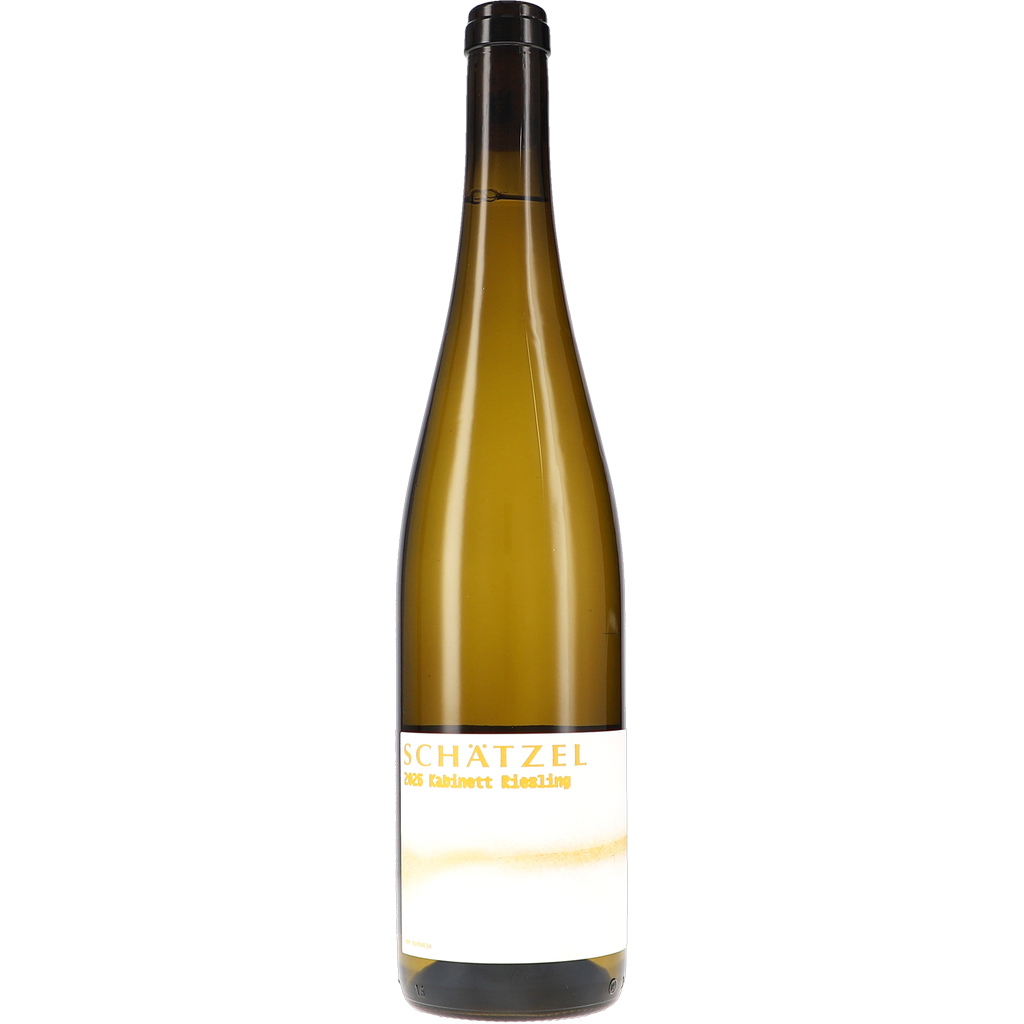
Riesling Kabinett 2024
An off-dry Riesling from Schätzel. Peach, apricot, invigorating acidity – subtle sweetness against the heat. The classic choice for Tikka Masala and creamy Indian curries.

Le Haut Lieu Moelleux 2022
A medium-sweet Chenin Blanc from Huet. Honey, quince, chamomile, silky sweetness with vibrant acidity. The biodynamic legend from Vouvray – perfect with spicy, hot curries.

Riesling Doosberg GG 2022
A biodynamic Großes Gewächs from Peter Jakob Kühn. Citrus, stone fruit, smoky minerality – dry, yet with a luscious texture. The complexity required for demanding spice compositions.
Chicken curry – versatile companions

Butter chicken, chicken tikka, chicken korma – when poultry is involved, things often become milder and creamier. The buttery sauce, the tender texture of the meat, the warming spices: here, full-bodied white wines with a little more substance are the right match.
Chardonnay with its unctuousness, Silvaner with its spiciness, Pinot Blanc with its elegance – they can all embrace the creamy richness without being overwhelmed by the spices. Less sweetness, more body is the motto here.

Sulzfelder Roter Silvaner 2024
The rare red-skinned Silvaner mutation from Zehnthof. Pear, herbs, delicate spice – Franconian individuality. The body carries you through creamy chicken curries.

Planetes Blanc 2023
White wine from Priorat by Nin Ortiz. Stone fruit, almond, saline minerality – Mediterranean depth with surprising freshness. The texture for butter chicken and creamy curries.

Pouilly-Fuissé En Chatenay 2021
Biodynamic Chardonnay from La Soufrandière. Butter, hazelnut, citrus, Burgundian precision. The body and creamy texture mirror the richness of butter chicken.
Vegetarian curry – fresh whites for dal & vegetables

Lentil dal, chana masala, aloo gobi, palak paneer – in India, vegetarian curry cuisine is no niche affair but everyday life. Pulses, vegetables, paneer cheese: the textures are varied, and the spices just as complex as in meat dishes.
Here the wines may stay light and fresh: Grüner Veltliner with its peppery spice, Grauburgunder with its elegance, uncomplicated white wines for a relaxed curry evening. The acidity enlivens, the freshness refreshes – no heavy artillery required.

naked white 2024
An uncomplicated white wine from Heinrich. Apple, citrus, lively freshness – the everyday companion. No frills, perfect for a relaxed midweek dal evening.

Grüner Veltliner Federspiel 2013
Late release from Nikolaihof – Austria’s oldest estate. Honey, nuts, herbs, matured complexity. Developed aromas for demanding spiced cuisine.

Pinot Gris Rotenberg 2022
Pinot Gris from Zind-Humbrecht, from the volcanic Rotenberg. Pear, smoke, subtle sweetness – opulent yet balanced. The richness for hearty vegetable curries and paneer.
The golden rule: sweetness against heat
Why does wine work with curry at all? The answer lies in chemistry – and in a simple principle that every curry lover should know.
 1. Why heat burns
Capsaicin is the substance that makes chillies hot. It binds to pain receptors in the mouth and signals to the brain: “Something is burning here!” Water doesn’t help – capsaicin is fat-soluble, not water-soluble.
 2. Sweetness neutralises
Residual sweetness in wine acts like a fire extinguisher: it activates other taste receptors and distracts the brain from the heat. That is why Riesling Kabinett or Chenin Blanc Moelleux work so well with spicy curries.
 3. The heat scale
Mild (Korma, Butter Chicken): A dry Riesling or Grüner Veltliner will suffice. Medium (Tikka Masala, Thai curry): Kabinett or an off-dry wine. Spicy (Vindaloo, Phaal): Spätlese or Moelleux – the more fire, the more sweetness.
 4. Cold is better
A well-chilled wine (8–10°C) enhances the cooling effect against the heat. The cold temperature additionally numbs the pain receptors – which is also why a lassi straight from the fridge tastes better than a lukewarm one.
Frequently asked questions
Which wine pairs best with curry?
Aromatic white wines with subtle residual sweetness are the safest choice: Gewürztraminer, Riesling Kabinett/Spätlese, Chenin Blanc. The sweetness cools the heat, while the aromatics mirror the spices. Orange wines work too – their tannins can match the richness of the sauces.
Why no red wine with curry?
The tannins in red wine can react with the heat of a curry and taste bitter and metallic. What’s more, the fruit of many red wines masks the delicate spice nuances. The exception: very light, chilled red wines with mild curries that lack much heat – but white wine remains the better choice.
Which wine with Thai curry made with coconut milk?
Gewürztraminer or Traminer pair particularly well with creamy coconut milk – their exotic aromatics (lychee, rose) harmonise with lemongrass and Thai basil. Orange wines work too: their texture and light tannins can match the richness of the coconut milk.
Does the level of heat make a difference when choosing a wine?
Yes! The spicier the curry, the sweeter the wine may be. A dry Riesling is enough for a mild Korma, while for a fiery Vindaloo we recommend Spätlese or Moelleux. Residual sweetness has a cooling effect on the palate and softens the burn of the capsaicin heat.
What do people drink with curry in India?
Traditionally in India, water, lassi (a yoghurt drink) or chai are drunk with meals. Wine is not part of the tradition there. Pairing European wine with Indian curry is a fusion invention – but one that works wonderfully if you choose the right wines.
Discover all wines for curry
This selection shows only some of our recommendations. In our shop you will find further aromatic white wines, orange wines and surprising companions for spiced cuisine.
All wines for curry