
 EN
 DE
 FR
 IT

In Rioja Alavesa, the brothers Arturo and Kike de Miguel Blanco are rewriting wine history. On 30 hectares spread over 72 plots at altitudes of up to 720 metres, they vinify terroir-driven wines on the Burgundian model, beyond the classic Rioja categories. The organically farmed vineyards, among them the legendary "Finca de los Locos", hold old Tempranillo vines as well as Graciano, Garnacha and a few white varieties. Aged in large wooden casks, the wines come across as precise, fresh and strikingly elegant. As a member of the "Rioja & Roll" movement and of the Futuro Vinador group, the estate counts among the avant-garde of the region.
≈ Food: Tapas
In all wines: 120 Wines
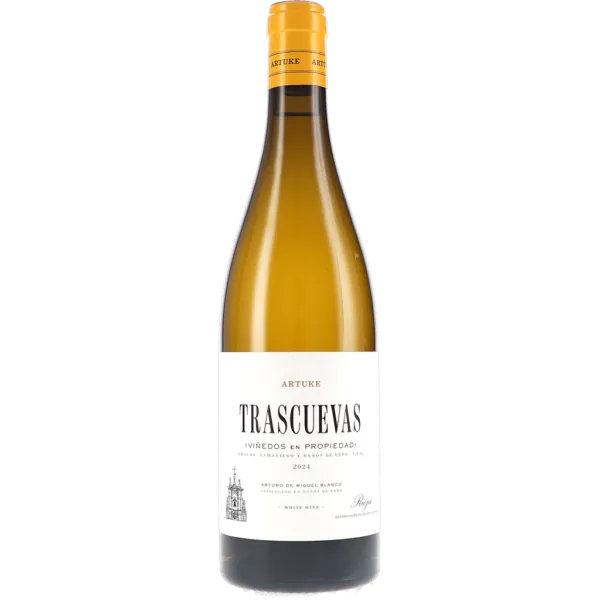
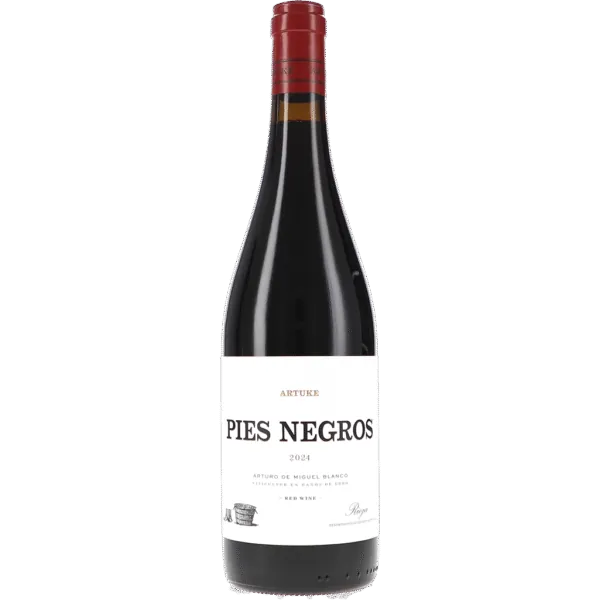
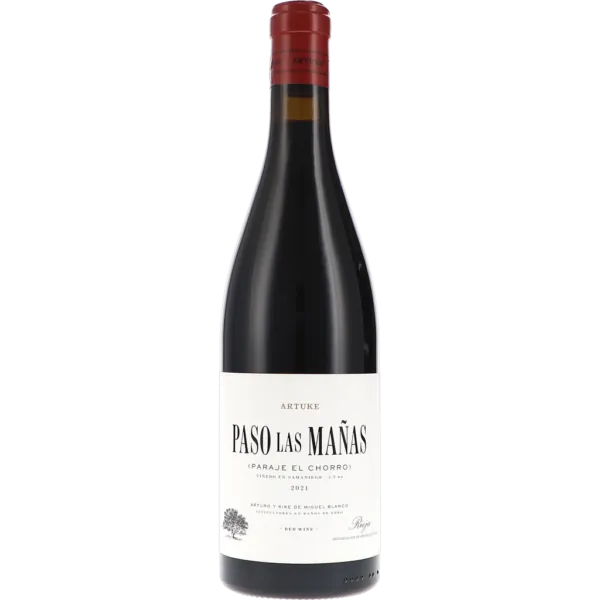
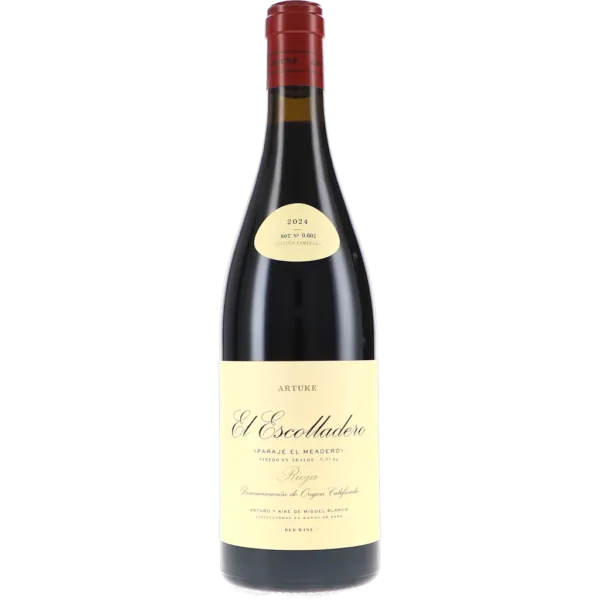
More about Artuke
In peaceful Baños de Ebro, where the Ebro flows majestically through Rioja Alavesa, a new vision of Rioja wine is taking shape. On the calcareous high plateaus of their home, the brothers Arturo and Kike de Miguel Blanco have set a remarkable change in motion. Their story is marked by foresight, craftsmanship and an unconditional will to bring the uniqueness of their terroirs into the bottle. In a region long dominated by large trading houses and their standardised production methods, they stand for individuality and uncompromising quality.
The legacy of the "madman"
The story of this extraordinary estate begins with a decision considered reckless: in the 1950s, the grandfather of today's owners bought a fallow plot at a dizzying altitude, an act that earned him the nickname "El Loco". What was then seen as folly proved visionary. The extreme altitude, regarded at the time as unsuitable for viticulture, turns out today, in an age of climate change, to be a strategic advantage.
[caption id="attachment_196737" align="alignnone" width="630"] old vines at Artuke[/caption]
The grandfather's foresight still shapes the estate's philosophy today. His grandchildren carry his legacy forward with scientific rigour. They have mapped each of their vineyards, analysed the soils and studied the microclimatic conditions. This groundwork forms the foundation of their terroir-driven winemaking.
A terroir mosaic in Rioja Alavesa
The 30 hectares of vineyard are spread like a complex mosaic over 72 plots in the municipalities of Baños de Ebro, Ábalos, San Vicente de la Sonsierra and Samaniego. At altitudes between 550 and 720 metres, the vines thrive on a fascinating weave of limestone, sandstone and rubble. The cool nights at these heights give the wines their characteristic freshness and precision.
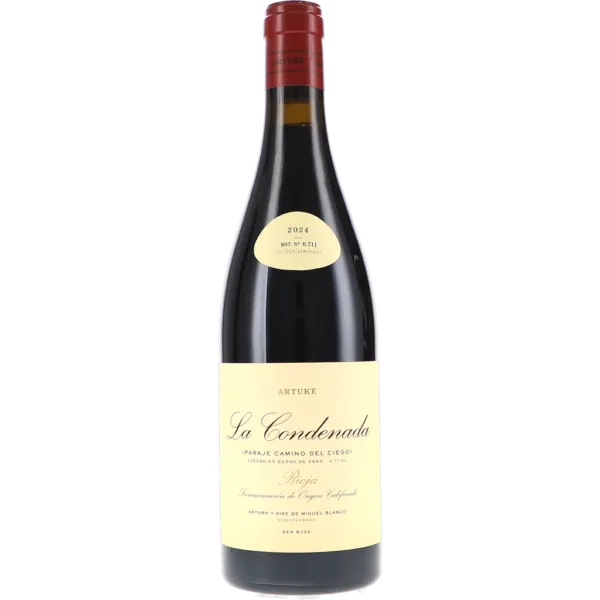
Particularly remarkable is the vineyard "La Condenada", more than 100 years old, whose field blend of Tempranillo, Graciano, Garnacha and the white variety Palomino preserves the complexity of a vanished viticultural culture. The brothers rescued this vineyard from decay; it is a living archive of Rioja history and produces one of the region's most fascinating wines.

Farming is strictly organic, with a growing orientation towards biodynamic principles. The often terraced vineyards allow no mechanisation: every task has to be done by hand. This labour-intensive approach lets the brothers tend each vine individually and determine the optimal harvest date for each plot with precision.
The art of gentle winemaking
In the cellar the brothers practise a philosophy of minimal intervention. The hand-picked grapes are partly fermented as whole bunches, and in some cases the crushing is still done traditionally by foot. Spontaneous fermentation with natural yeasts underlines the authentic character of the wines. Cultivated yeasts, excessive sulphur and aggressive filtration are deliberately avoided.
[caption id="attachment_196733" align="alignnone" width="1920"] a gentle harvest at Artuke[/caption]
Ageing takes place mainly in 600-litre casks, which give the wines room to develop without overlaying them with oak notes. The brothers favour shorter ageing times than is usual in the region, in order to preserve freshness and the expression of terroir. For special cuvées, 3,500-litre foudres are also used, allowing an even slower, gentler maturation.
A new vision of Rioja
The portfolio reflects the house's Burgundian philosophy. The wines are classified not by ageing time but by origin, from the fresh, approachable village wines through the characterful single-site wines to the complex plot wines.
The "Artuke" base wine, a blend of 95% Tempranillo and 5% Viura, already shows the house signature: precision, freshness and approachability. "Pies Negros", composed from fifteen different plots in Ábalos, demonstrates the art of blending.
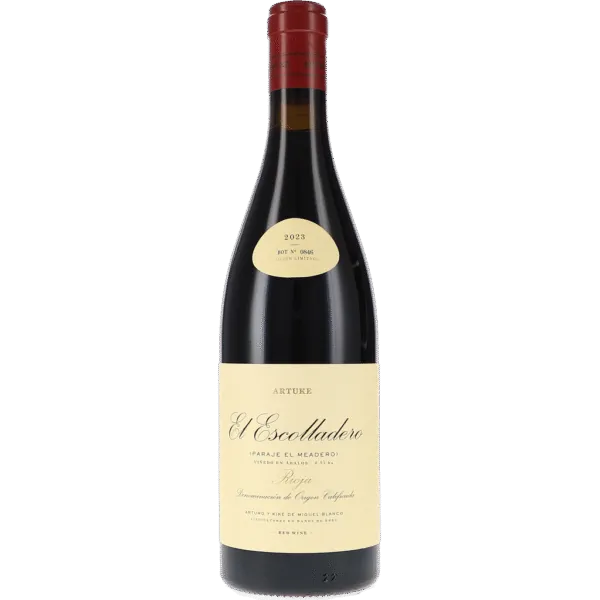
"El Escolladero", a single-site wine from Ábalos, combines 85% Tempranillo and 15% Graciano from vines planted in 1950. The calcareous clay soils at 600 metres give the wine its characteristic minerality and complexity.
The flagship "La Condenada" comes from vines more than a hundred years old in the "Camino del Ciego" site. With an annual production of only 1,970 bottles, it is among the rarest and most sought-after wines of the estate. The complexity of the old field blend, the mineral stamp of the sandstone soil and the precise vinification make it one of the most exciting wines of the region.
The new generation of Rioja
The wines of the de Miguel Blanco brothers mark a turning point in the history of Rioja. They show that great wines do not come from standardised ageing times but from a deep understanding of the particularities of each individual plot. As part of the "Rioja & Roll" movement, they are pathfinders for a new generation of winemakers who are redefining the enormous potential of their region.
[caption id="attachment_196734" align="alignnone" width="1024"] old Tempranillo & Graciano vines[/caption]
The international wine scene has long since responded. Critics such as Luis Gutiérrez of Robert Parker's Wine Advocate praise the enormous progress the estate has made in recent years. Membership of the renowned Futuro Vinador group underlines the estate's importance for the Spanish wine scene.
[caption id="attachment_196738" align="alignnone" width="1679"] scenic road with an old vineyard tractor[/caption]
The future of Rioja lies in its past, and the de Miguel Blanco brothers follow this conviction with each of their wines. They show that the region has far more to offer than heavy, oak-driven wines. Their interpretation of Rioja is precise, shaped by terroir, and of an elegance that has few equals internationally. With their work they do not merely continue the history of their family estate; they shape a new era of Spanish wine.