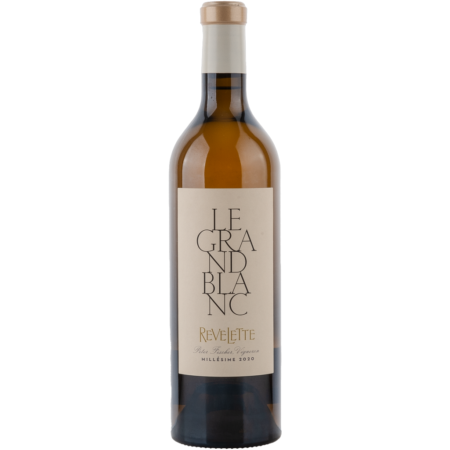
Bottler: Matthias Planchon, Route de Bourges, 18300 Sancerre / France
In the glass
Colour
Intense straw yellow with slight green reflections.
Nose
Expressive and floral with orange blossom, ripe white- and yellow-fleshed fruits, accompanied by citrus notes, herbs and white berries.
Palate
Balanced between crisp freshness and ripe fruit – physalis, star fruit, cassis, elderflower, greengages and grapefruit meet stone and herbs; silky texture, vibrant acidity, rounded mouthfeel with energetic minerality.
Character
Precise and steely-cool from the limestone, yet silky and juicy from extended lees ageing – a site-specific Sancerre with depth and tension.
Pairing
Ideal with pan-fried sole fillet in lemon butter, fresh goat’s cheese tart with herbs, or sushi and sashimi.
Notes
Biodynamically farmed (AB/EU Organic, Biodyvin), spontaneously fermented and aged 40% in amphorae and 600-litre casks, bottled unfiltered according to the lunar cycle – from 57-year-old vines in the lieu-dit "Le Paradis" with its characteristic "stone water" salinity.
Tasting note
Colour & appearance
Dense straw yellow with fine green reflections – a wine that promises concentration even in the glass.
Nose
Expressive and floral, shaped by the warm vintage: orange blossom meets ripe white and yellow fruits, accompanied by citrus notes, herbs and white berries. Charming, fresh and lively.
Palate
A fine balance between crisp freshness and ripe fruit. Physalis and star fruit mingle with blackcurrant, elderflower, greengage and grapefruit. The texture is silky, the juice round – yet beneath lies an energetic minerality reminiscent of wet stone. This is what Matthias Planchon calls “l’eau de roche”: rock water.
Finish
Long, saline and precise. The mineral tension carries the fruit well beyond the final impression.
Terroir & origin
The vineyard site Le Paradis covers 14 hectares on Oxfordian limestone – 150-million-year-old sediment of marine origin. The steep south-facing slope has only 30 to 45 centimetres of topsoil, interspersed with cailottes, those yellowish limestone pebbles that crumble easily. Planchon cultivates 0.9 hectares here with 57-year-old vines, planted at a high density of 7,700 vines per hectare.
Grape variety & vinification
Sauvignon Blanc, hand-harvested, slowly pneumatically pressed, spontaneously fermented – 40 per cent in stainless steel, 60 per cent in amphorae and 600-litre casks. Two years on the fine lees in the same vessels, then a further year of rest in steel. Bottled unfiltrated, according to the lunar cycle.
Food recommendations
The combination of richness and mineral sharpness makes this wine versatile: sole in butter, grilled langoustines, goat’s cheese tart with thyme or simply oysters – the wine’s saline vein finds its natural counterpart here.
Special features
Matthias Planchon comes from a family that made wine history: his ancestor Jules Émile Planchon identified phylloxera in 1868 and saved European viticulture through grafting. Matthias farms biodynamically (AB/EU organic, presumably Biodyvin), vinifies each parcel separately and produces only 22,000 bottles a year – one of the smallest producers in the appellation.

 EN
 DE
 FR
 IT