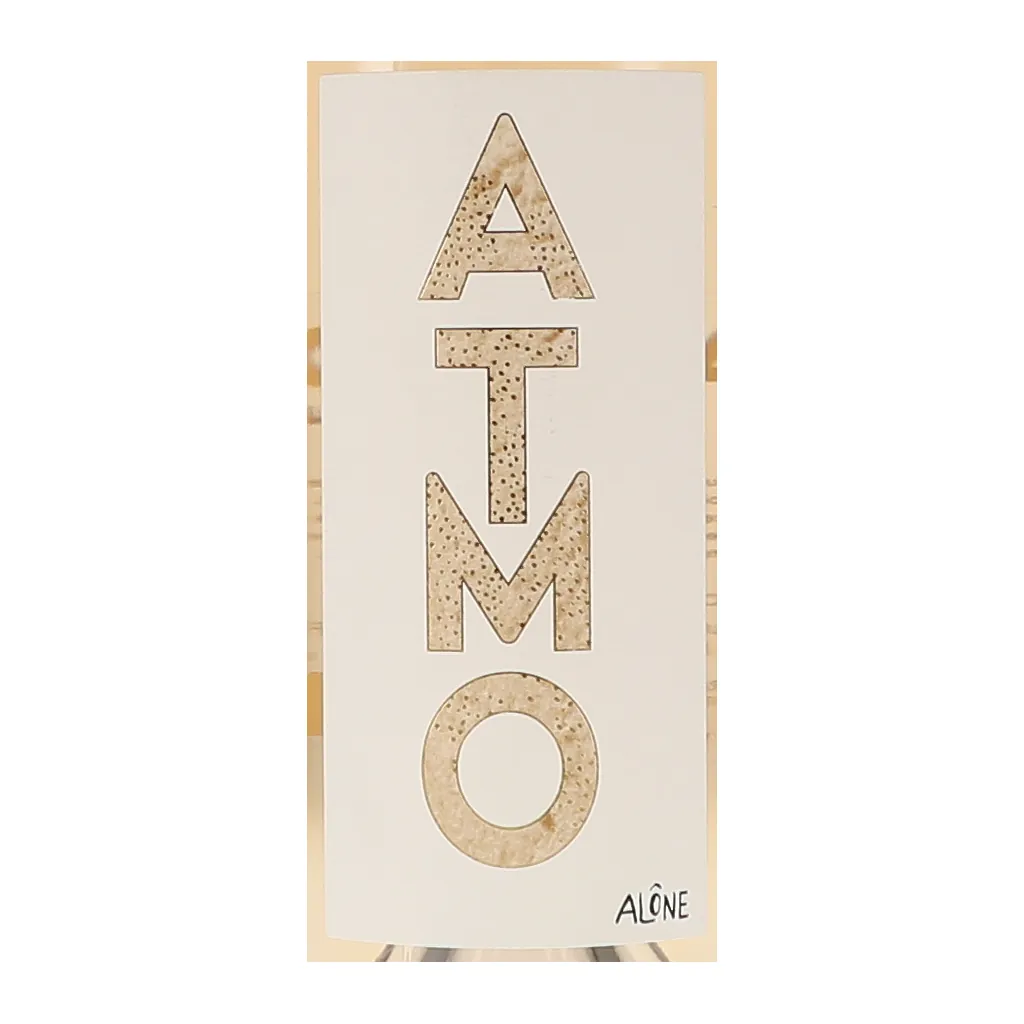
Rosé “ATMO”
19,50 €
(26,00 € / 1000 ml)Incl. VAT where applicable
In stock
- The rosé “ATMO” by Alône is a vintage-independent Provence rosé made from Grenache, Syrah and Cinsault, which embodies the essence of southern French wine culture with elegant character and aromatic diversity.
- 🎨 Colour: Delicate apricot with pale, almost transparent edges – classic and seductive at once.
- 👃 Aroma: Peach, ripe raspberries and blackberries, complemented by wild herbs and white pepper.
- 👅 Taste: Lively interplay of delicate fruit, spicy notes and fruity sweetness, carried by fresh acidity and a subtle saline finish.
- 🎭 Character: Charming and multi-layered – an authentic Provence rosé with warmth, freshness and Mediterranean lightness.
- 🍽️ Food pairing: Grilled fish with Provençal herbs, ratatouille or light seafood dishes.
- ✨ Special features: Vintage-independent blend from high-altitude vineyards between 420 and 470 metres; natural winemaking on rare sandy soils; significant day-night temperature fluctuations create distinctive aromatics and freshness.

 EN
EN  DE
DE  FR
FR  IT
IT