
 EN
 DE
 FR
 IT

When a winemaker builds his knowledge of biodynamics by studying cow manure, you can guess that here is someone with unconventional methods. Domaine Zind-Humbrecht is one of those rare estates that combine science and intuition into a language of their own. Olivier Humbrecht, the first Frenchman to earn the title Master of Wine, farms 42 hectares with the same precision he once brought to studying London bus routes – it was in London that he met his Scottish wife, Margaret. The result: wines that reflect Alsace in all its geological diversity.
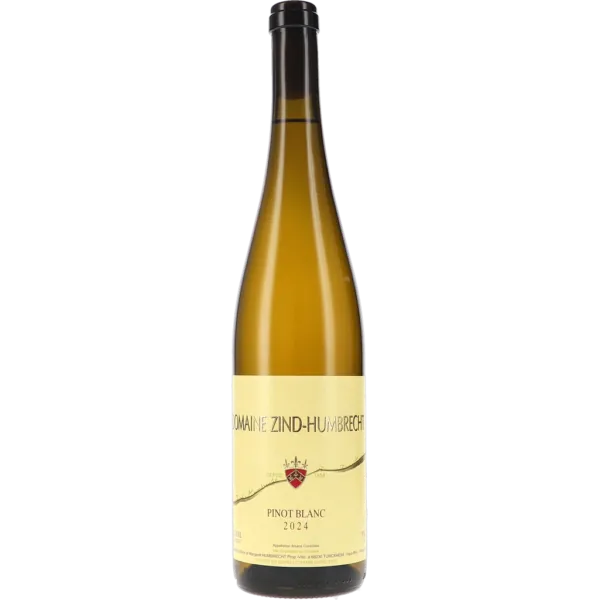
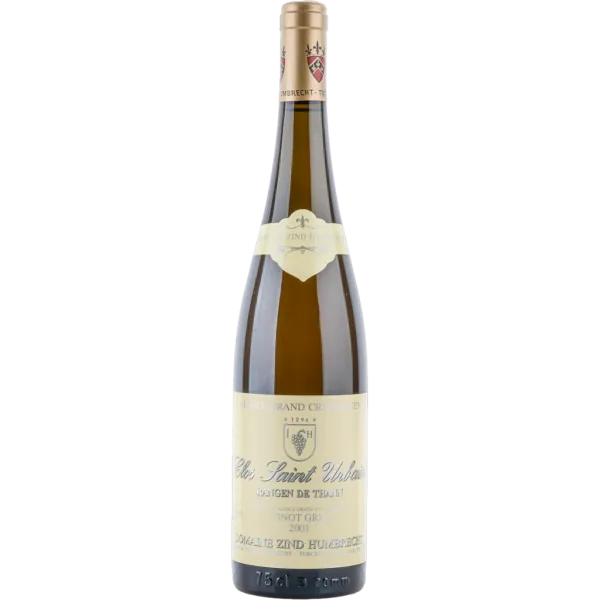
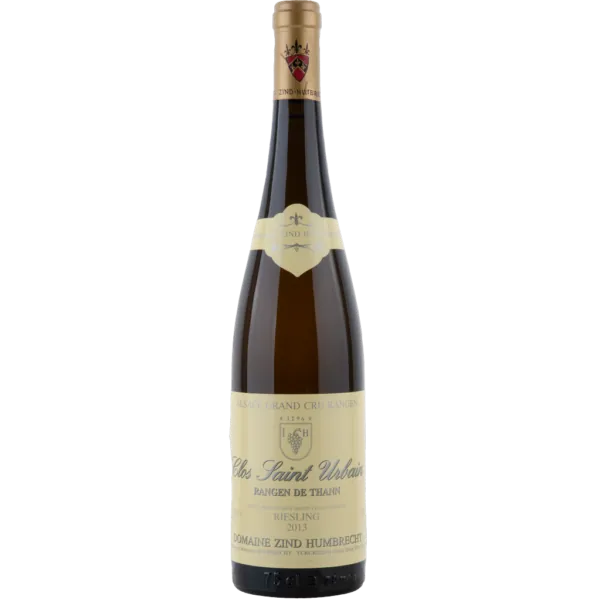
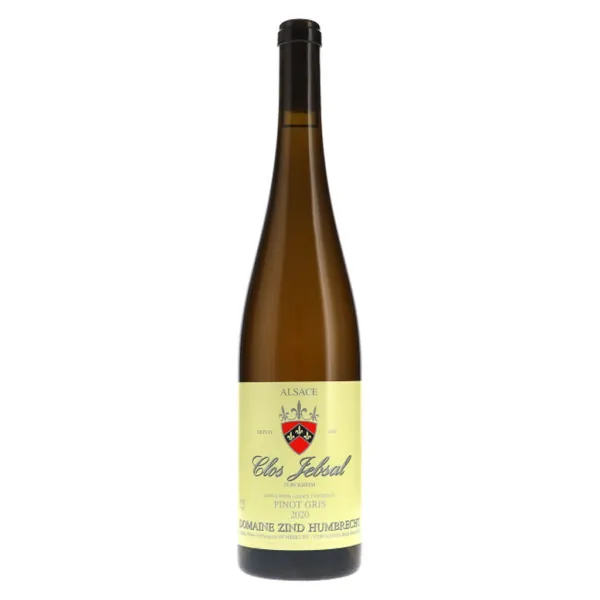
More about Domaine Zind-Humbrecht
The manure scholar from London
In 1989, aged 26, Olivier Humbrecht came home from London – armed with the world’s most prestigious wine qualification and an unusual obsession. “I learned about biodynamics through manure,” he explains with typically dry humour. What began as scientific curiosity revolutionised the family estate: in 1996 he converted the first five hectares, and Demeter certification followed in 2002. His father Léonard had already been the first winemaker in France to fit cooling systems into wooden casks, back in 1981 – innovation runs in the family. Today there are horses in Europe’s steepest vineyards once again, while in the neighbouring village Domaine Albert Mann is also doing pioneering biodynamic work.

Volcanic fire on a steep slope
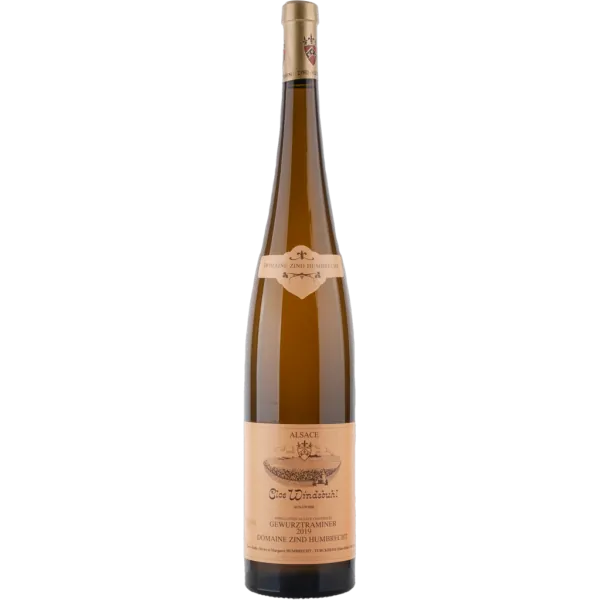
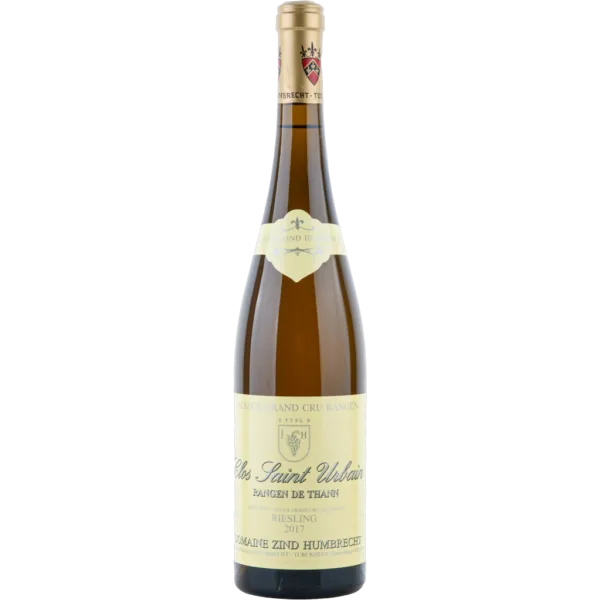
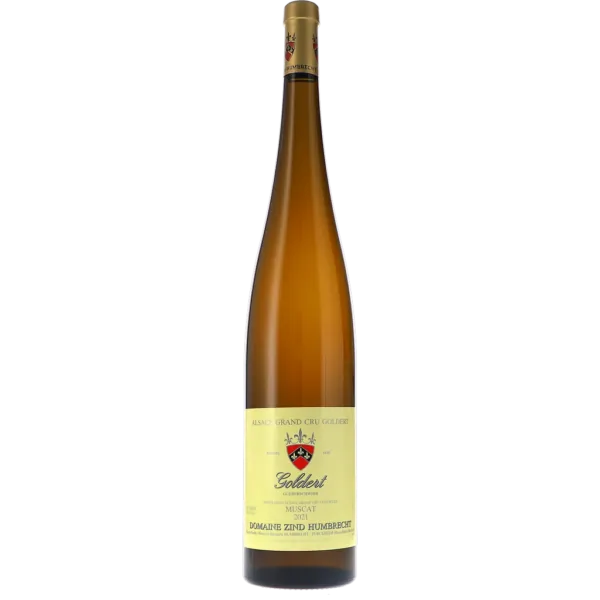
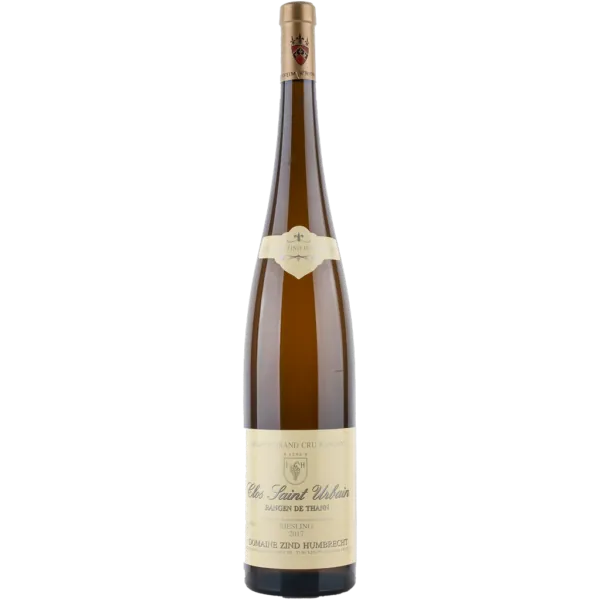
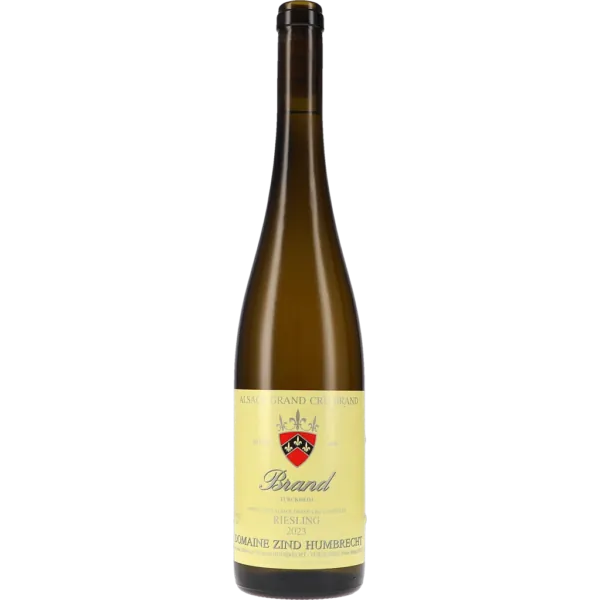
With a 68 percent gradient, the Grand Cru Rangen de Thann towers over the little town of Thann as the steepest vineyard site in Alsace. Here, on 5.5 hectares of volcanic rock, the estate makes wines of a mineral intensity that few can match. The Gewürztraminer Rangen de Thann shows how volcanic rock brings spice and elegance together. In all, the estate farms six grand cru sites covering 11.5 hectares – each a geological universe of its own. The Brand near Turckheim contributes granitic minerality, while Hengst and Goldert deliver finesse shaped by limestone.
When patience becomes a principle
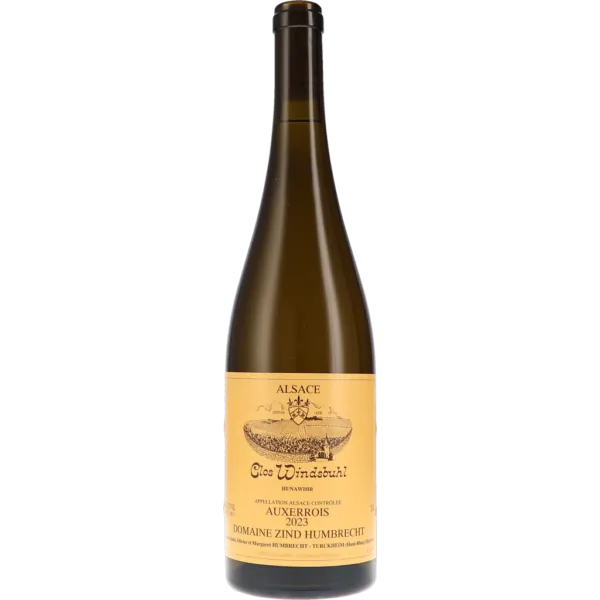
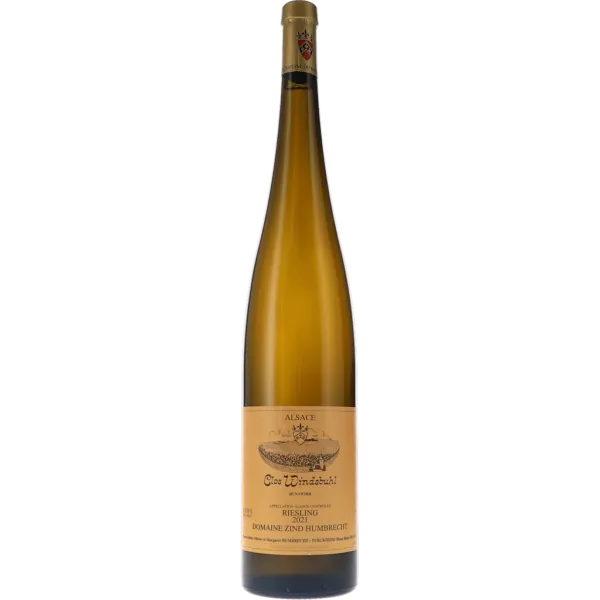
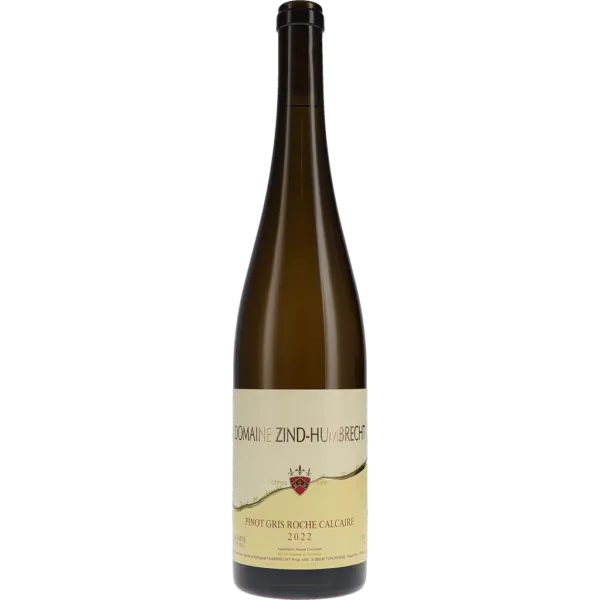
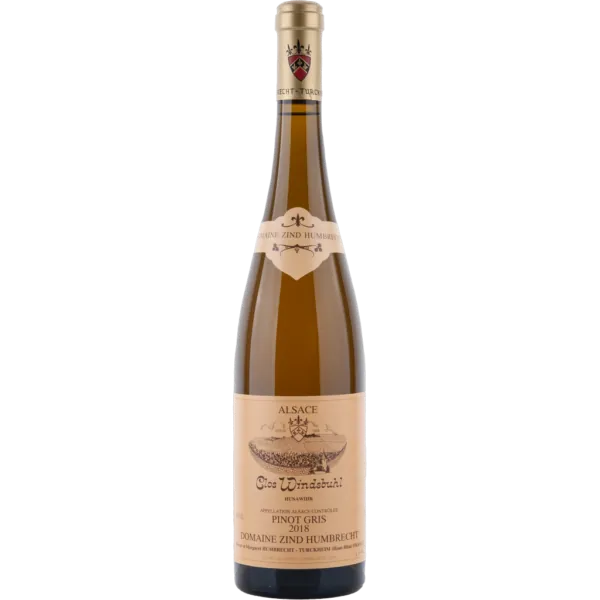
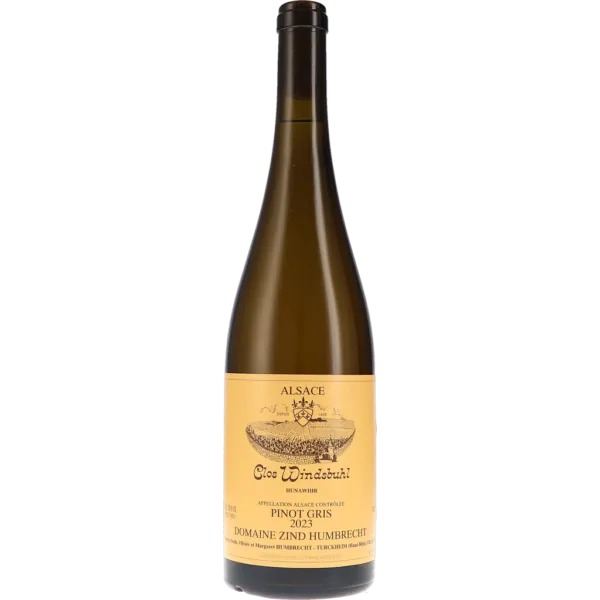
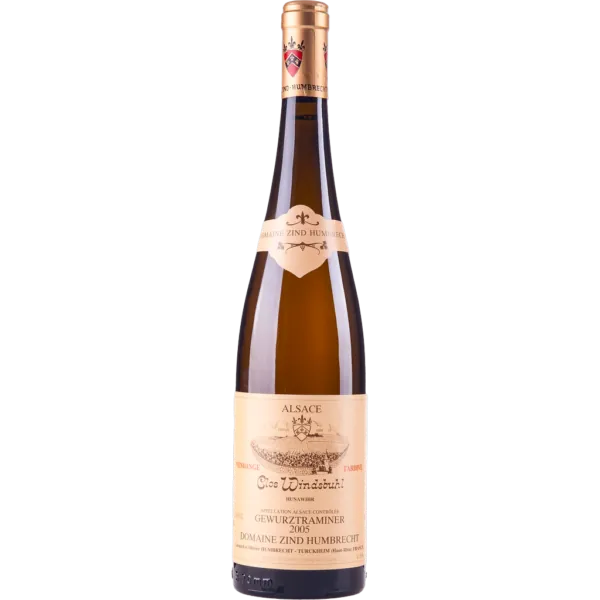
No wine leaves the cellar before one to two years of ageing – a luxury few producers allow themselves. At least six months on the lees give the wines the texture that turns Riesling from the Brand or Pinot Gris from the Clos Windsbuhl into masterpieces of patience. Yields of just 30-40 hectolitres per hectare are a statement of intent. As early as 1947, Émile Zind had begun supplying his wines directly to the Hôtel de Paris in Monte Carlo – quality as a calling card.

Continuity across the generations
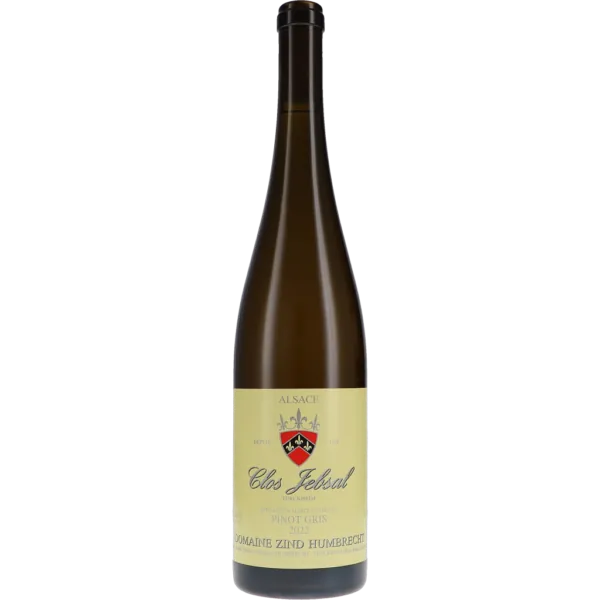
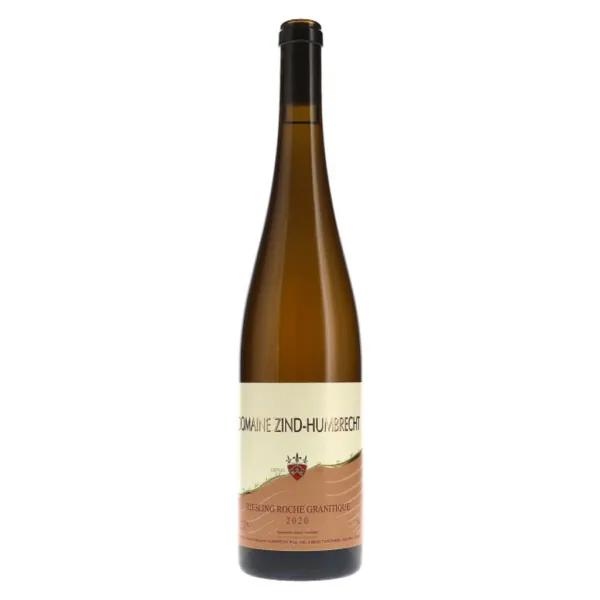
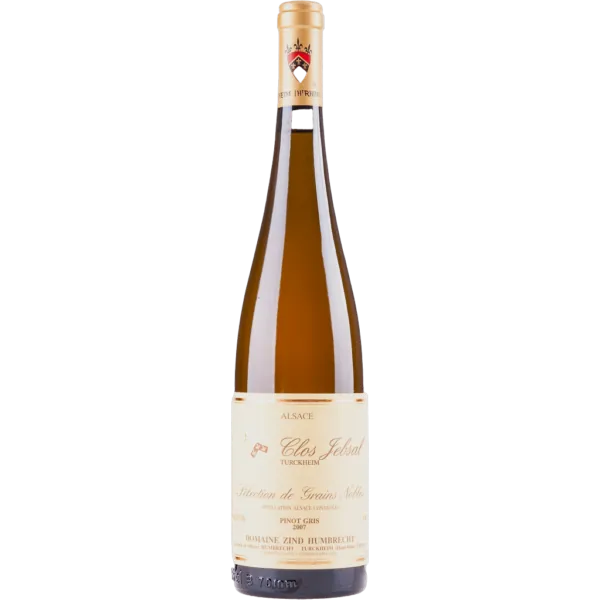
Since 2019, Pierre-Emile Humbrecht has worked in the family business as its eleventh generation. The Humbrechts have been winegrowers since 1620 – a continuity that has become rare in the modern wine world. The Riesling Brand Grand Cru is a textbook example of how tradition and innovation complement each other: a classic grape, modern biodynamic farming, timeless elegance. Olivier Humbrecht describes biodynamics as “therapy that helps the vines forget stress” – an approach you can sense in every glass. The Clos Windsbuhl monopole and other single vineyards such as Clos Häuserer and Clos Jebsal complete a range that captures Alsace in all its complexity.