
 EN
EN  DE
DE  FR
FR  IT
IT 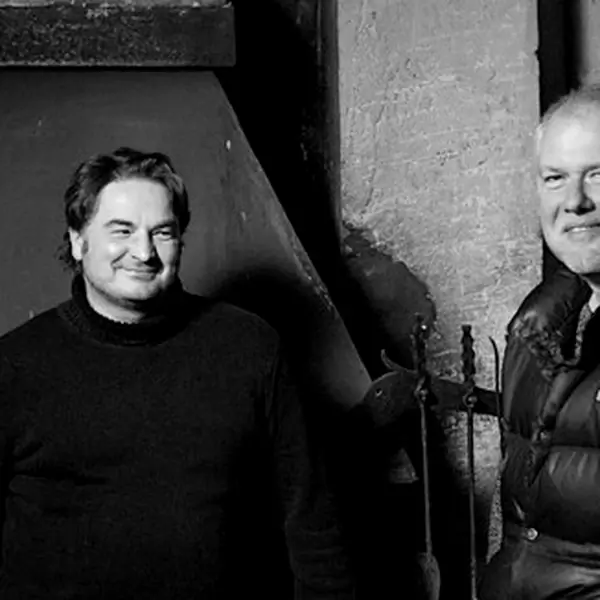
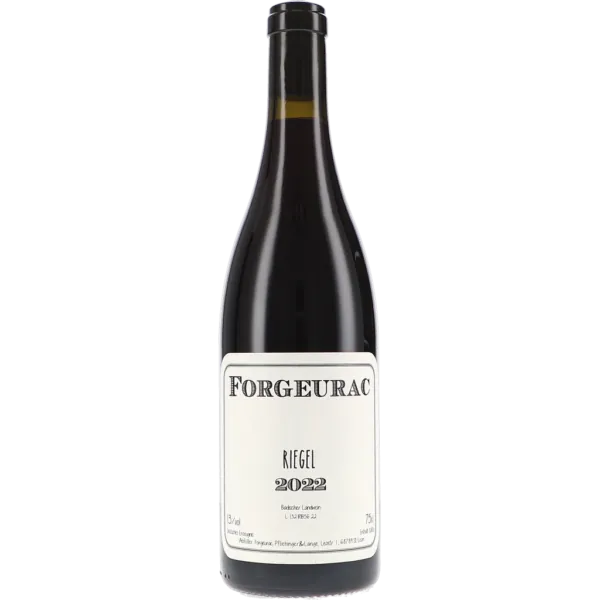
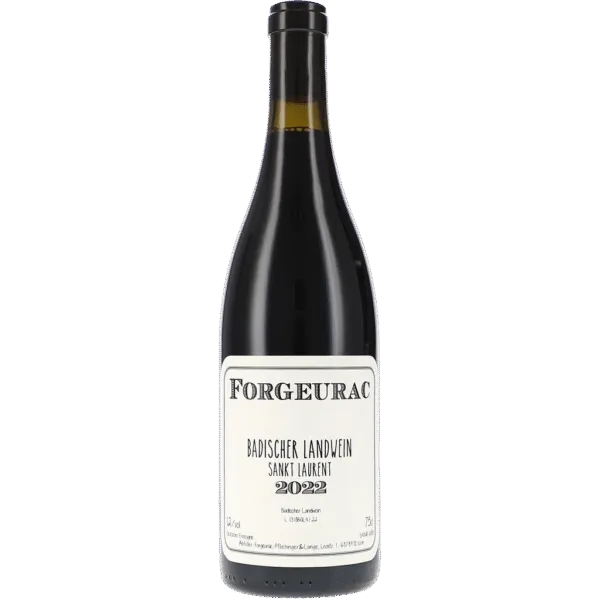
A jazz musician and a soil scientist meet while studying in Geisenheim. Both share an obsession: Forgeurac and the question of whether German Spätburgunder can taste like Burgundy. Since 2015, Marco Pfliehinger and Uwe Lange have been making wines in St. Leon-Rot that answer this question – radically artisanal, without machines. The cellar beneath an old forge gives the project its name: forge plus the ending of French appellations.
More about Forgeurac
From double bass to basket press
For years Uwe Lange played the cello and jazz double bass and worked as a music lecturer. At thirty he changed instruments: he studied viticulture in Geisenheim, where he met Marco Pfliehinger, a soil scientist who was writing his doctorate on the influence of terroir on ageing aromas. Both had worked in Burgundy, Uwe as a Demeter inspector and Marco as a geologist. The question that drove them: why does Spätburgunder so rarely achieve Burgundian finesse in Germany?
They found the answer in parcels nobody wanted. Steep terraces in the Bühlertal that no tractor can reach. Weathered granite in the Riegelberg. Shell limestone in the Kraichgau, where the soil smells of celery and carrots.

A cellar beneath the old forge
The wine cellar lies beneath Uwe's house in St. Leon-Rot, in a 17th-century vault that was once the village forge. Here the wines mature in used barriques and are corked by hand and bottled by gravity through a hose. Pumps, filters, tractors: none of these exist at Forgeurac. The 2.5 hectares are farmed entirely by hand, according to biodynamic principles.
At six in the morning Uwe stirs the horn silica preparation, just as he saw it done a hundred times as a Demeter inspector. The grapes go whole into open fermenters and are pressed on an antique basket press. Spontaneous fermentation, spontaneous malolactic conversion, no fining, no filtration.
Terroir rather than regional cliché
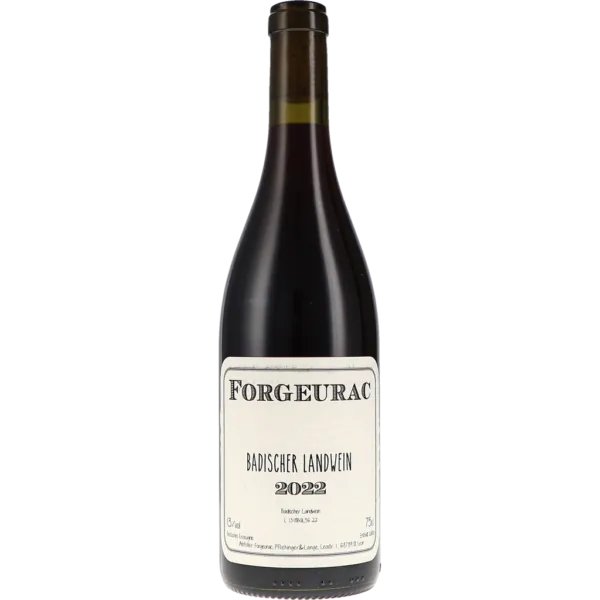
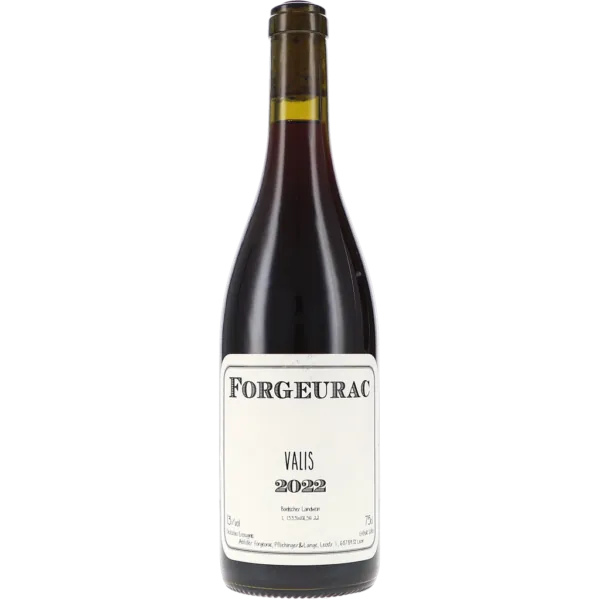
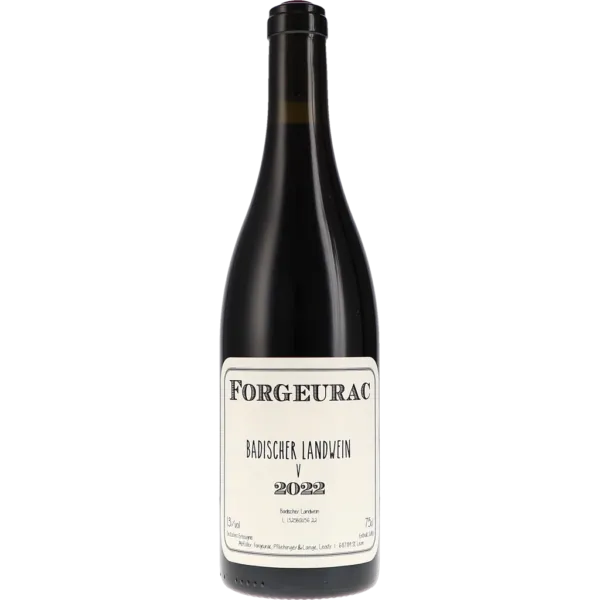
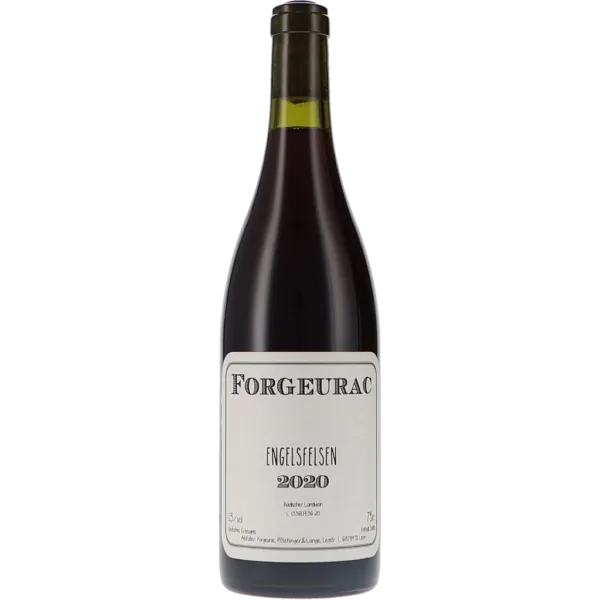
Franz Keller on the Kaiserstuhl and other leading Baden producers have long shown that the region can do more than crowd-pleasing reds. Forgeurac takes this idea further: the wines are meant to taste of their soil, not of their region. The Engelsfelsen brings granite minerality from terraces at 350 metres. The Walis Badischer Landwein 2022 is a concentrated, dry Spätburgunder with dried fruit, earthy tones and spice. In the Badischer Landwein Rot, several sites merge into an easy-drinking introduction.

Obstinacy as a programme
Marco and Uwe describe their wines as wilful and stubborn, just like themselves. Henri Jayer remains the model, not the German mainstream. Forgeurac's Pinot Noirs never taste German, both say. They taste of granite, of shell limestone, of six in the morning when the preparation is being stirred. Of two musicians who have found a new instrument.