
 EN
EN  DE
DE  FR
FR  IT
IT 
The Amoreau family has been firmly rooted in the Libournais wine region for over 400 years, now in the 15th generation. This area lies on the right bank of the Dordogne and is home to renowned vineyard sites such as Saint-Émilion, Pomerol and Fronsac. Known for their commitment to organic, biodynamic and regenerative viticulture, the family manages the prestigious Château le Puy. A decade ago, the opportunity arose to acquire another estate, Closerie Saint Roc.
Historic Terroir
Closerie Saint Roc owes its name to the rocky plateau “Roc de la Closerie”, which historically served as a meeting point between the English occupiers of Aquitaine and the French who sought to reclaim their land. A closerie refers to a small, walled plot of land that once served as a supply depot.
In the 19th century, the land was rediscovered by Alex Anglebin, an ancestor of the Amoreaus, and planted with Mourvèdre and Colombard vines. Without heirs, the property was later sold. Ten years ago, Pascal Amoreau rediscovered the estate, recognised the potential of the soil for excellent terroir, and renamed it La Closerie Saint Roc, giving Adrien and Valérie Amoreau as well as Harold Langlais the opportunity to create their own wines.
Exclusive Tasting Package of Closerie Saint Roc Wines
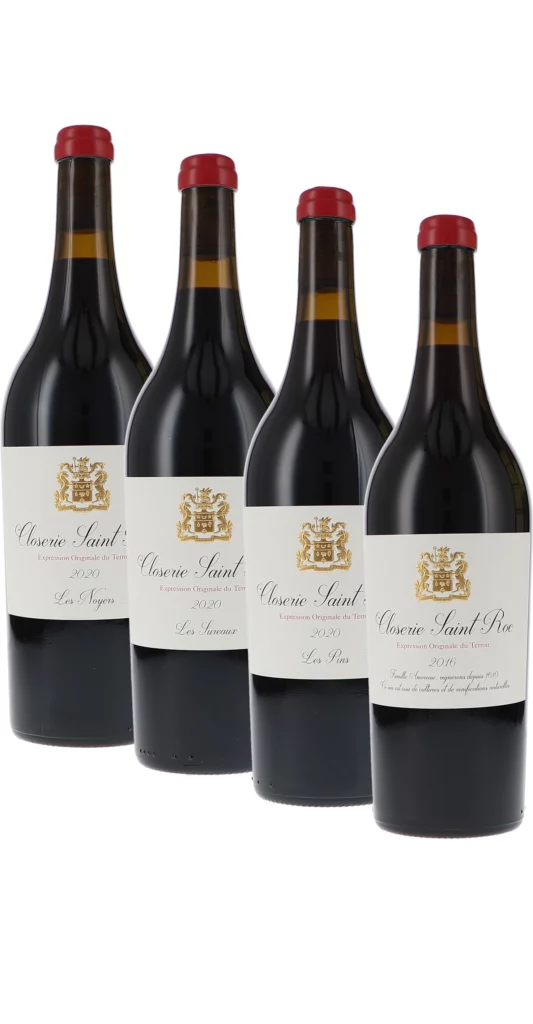
Exclusive Tasting Package
The offer includes four 0.75-litre bottles of the following wines:
Unique Terroir
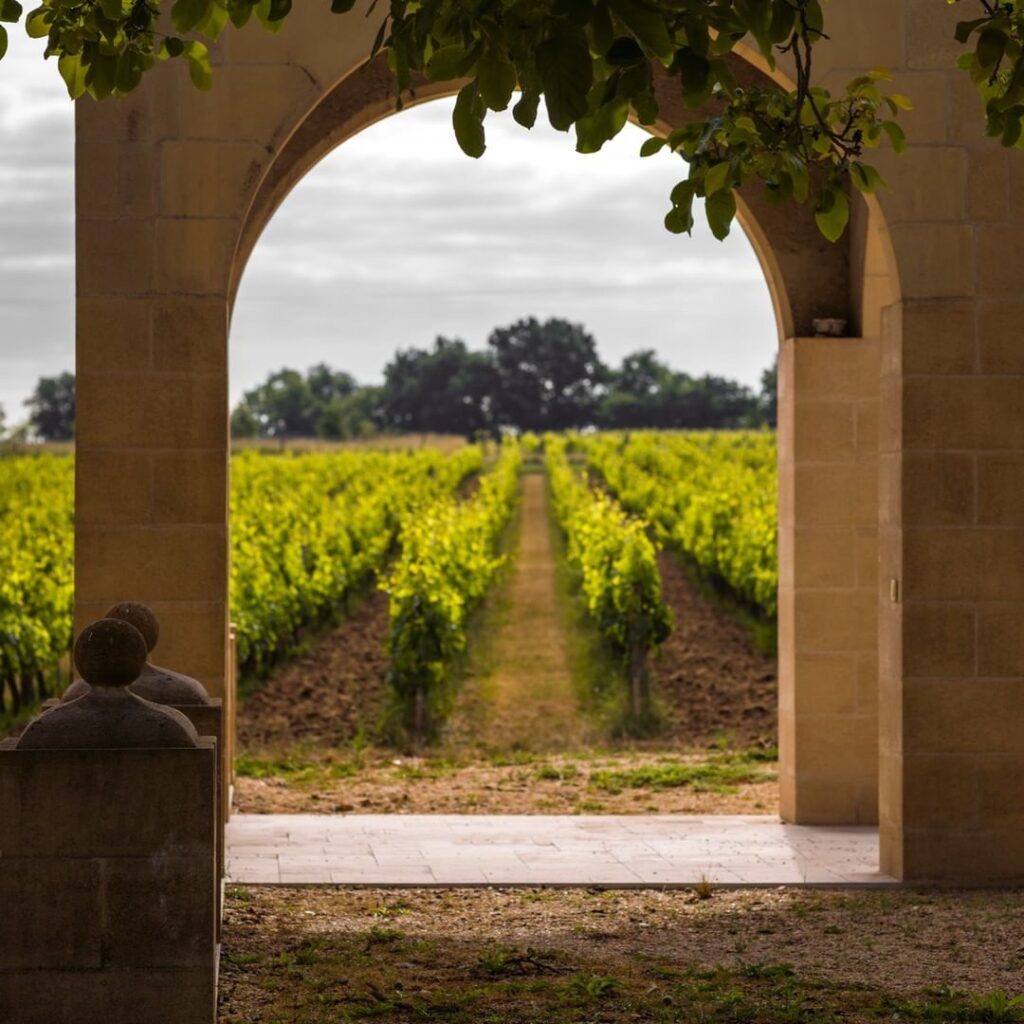
The 16 hectares of La Closerie Saint Roc extend across elevations between 90 and 106 metres, with vines aged 35 years. The soils vary in their composition and harbour a calcareous subsoil, rich in fossilised sea stars, which is typical for the Saint-Émilion region and gives the wines their characteristic acidity and minerality.
Biodynamic Viticulture as Heritage
Since 1924, the family has eschewed synthetic pesticides and chemical fertilisers, embracing the biodynamic movement early on. With the aim of increasing biodiversity, parts of the vineyard area have been supplemented with natural elements. Bees are kept in the vineyards and horses are used for cultivation. Research into reducing copper use in viticulture is being conducted in collaboration with the University of Geneva.
Traditional Winemaking
In harmony with nature and with minimal use of technology, wines are created at the estate that recall the production methods of over a century ago.
The use of sulphur is decided by Jean-Pierre Amoreau depending on the vintage, with some vintages remaining entirely unsulphited. The wines mature in old barrels and reflect traditional craftsmanship.
The wines from La Closerie are characterised by their clarity and freshness. The cuvées from the 2016 and 2018 vintages consist primarily of Merlot, complemented by Cabernet Franc and Cabernet Sauvignon, and reflect the characteristics of their vintages as well as the estate’s philosophy.