
 EN
EN  DE
DE  FR
FR  IT
IT 
A Buddhist monk, a shared bottle of wine, an encounter with Dionysus: this is how Vasco Croft describes the moment that changed everything. Aphros Wine is the result, a biodynamic project in the Lima Valley of Vinho Verde, where the former architect has been making wines since 2003 on the family property of Casal do Paço.
Croft is regarded as a pioneer of biodynamics in Portugal. His wines are made with wild yeasts in granite lagares and a minimum of sulphur.
More about Aphros Wine
From architect to amphora master
Meeting Vasco Croft, you do not meet a typical winemaker. The Lisbon native studied architecture, discovered Rudolf Steiner's anthroposophy, taught at Waldorf schools and designed furniture. In his thirties he converted to Buddhism. Only the mystical encounter with a monk, during which a bottle of wine was shared, led him in 2003 to the half-abandoned family estate of Casal do Paço, a property in the Lima Valley that has belonged to his family since the 17th century.
What began as a spiritual search became a mission: Croft set out to lead Portugal into the world of biodynamics. Today he farms more than 20 hectares across several quintas and is counted among the pathfinders of a movement that is long established in France, with growers such as Huet.

A cosmos of forest, vines and wildlife
Casal do Paço is more than a wine estate: it is an ecological total work of art. The 16th-century granite house with its small chapel forms the centre. Around it lie six hectares of vineyard, chestnut groves, centuries-old oaks and eucalyptus woods. Wild boar roam the undergrowth, foxes hunt at dusk, eagles circle over the hills.
Between the vine rows graze mountain ponies and sheep, and bees pollinate the wildflowers. Special water cascades revitalise the water according to biodynamic principles. The vines are treated exclusively with plant extracts; chemistry has no place here.
Two cellars, two worlds
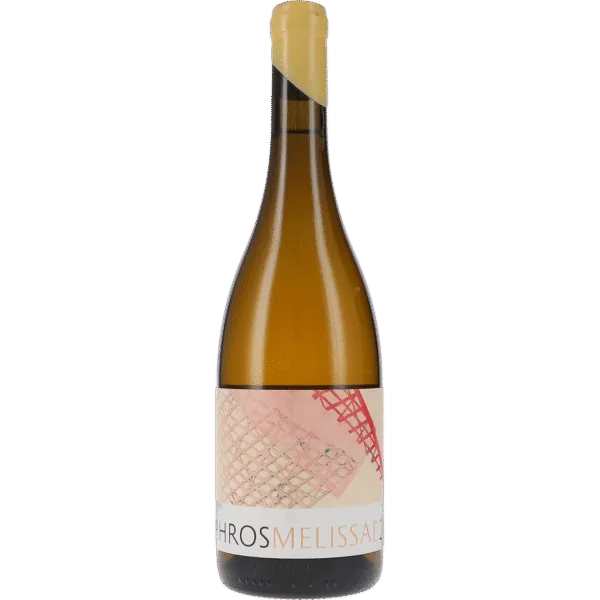
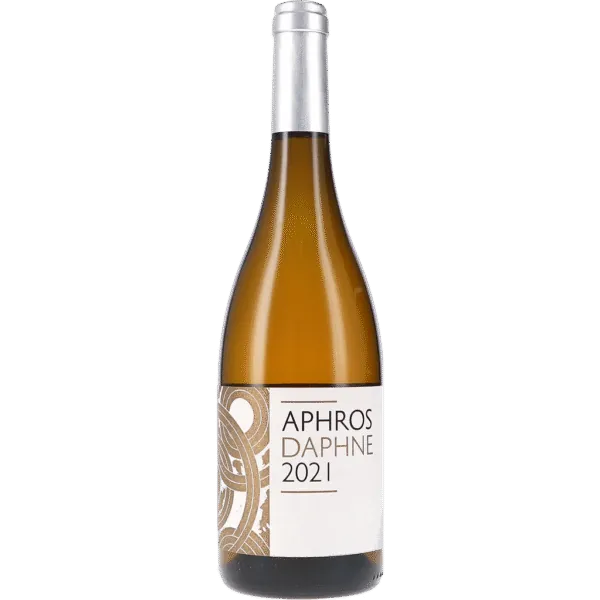
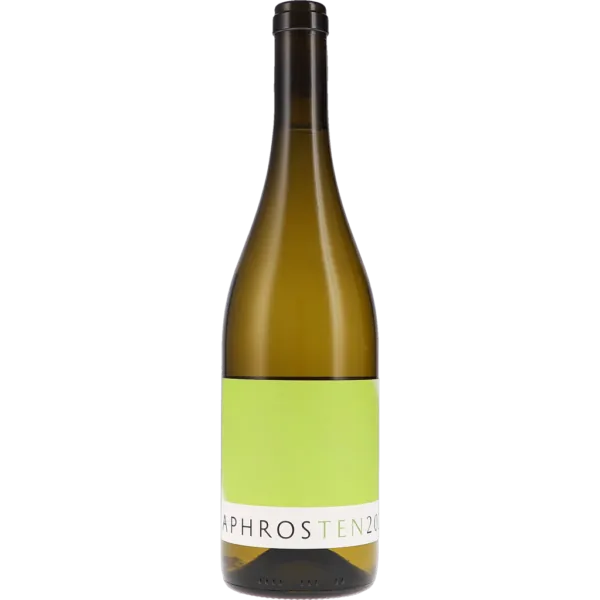
In 2015 Croft opened two cellars that could not be more different. The modern cellar serves the classic line: wines such as the Aphros TEN DOC 2023, a light Loureiro with lime, bay leaf and cool, stony minerality, or the Aphros Daphne are made here with controlled temperatures and stainless steel tanks.
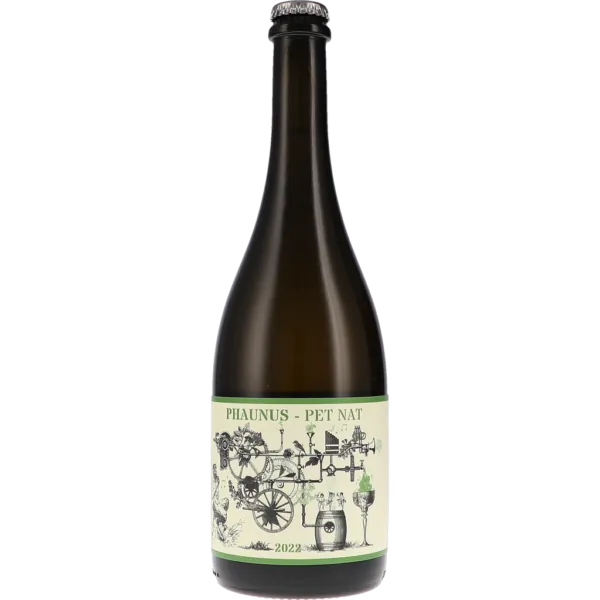
The medieval cellar in Padreiro, by contrast, works entirely without electricity. Here the Phaunus wines made from Loureiro and Vinhão ferment in clay amphorae, using methods that are thousands of years old. The Phaunus Loureiro Amphora spends months on the skins and develops a texture and depth that would be unthinkable in conventional Vinho Verde.

Wines between lightness and depth
The grape varieties are without exception autochthonous: Loureiro for the crisp, fresh whites with notes of lime and bay leaf. Vinhão for dark, juicy reds with cool spice, such as the powerful Aphros Vinhão. Arinto and Alvarelhão are added in small quantities.
In the cellar the grapes are trodden by foot in centuries-old granite lagares. Only wild yeasts. No fining. No filtration. A maximum of 25 milligrams of sulphur per litre at bottling. Even the timing of harvest, racking and filling follows the astronomical calendar.
The result: wines that keep the unadulterated freshness of Vinho Verde while revealing a complexity one would not expect of the region.